Fossil evidence suggests 'Hobbit' human species also had prolonged infant care
The fact that human infants require prolonged care, compared to other primates, is considered one of the defining characteristics of modern humans.
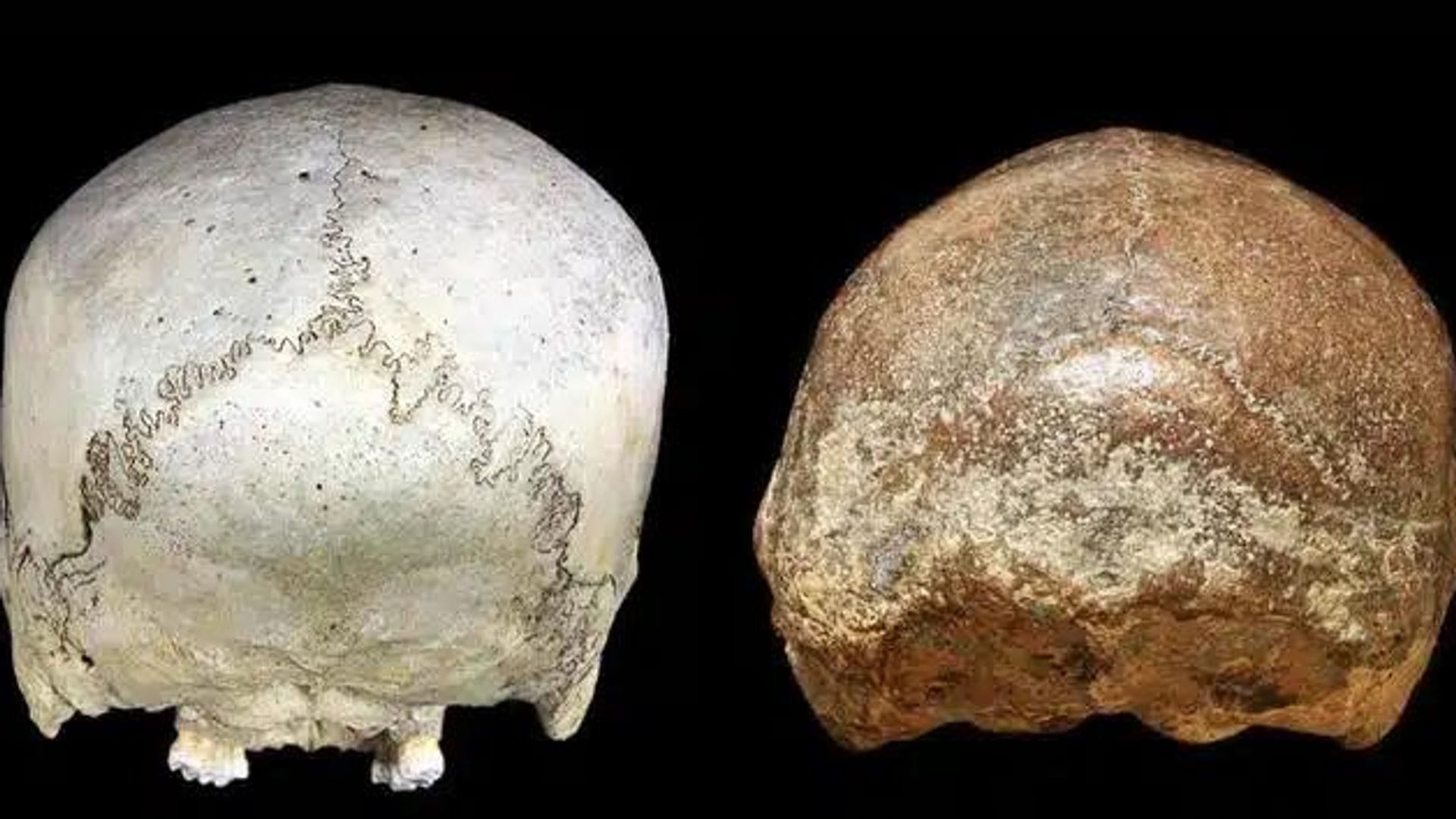
However, a new study has found that this trait is not unique to Homo sapiens, but was also present in human relatives that lived millions of years ago. Researchers discovered fossilized skulls of Homo erectus and Homo floresiensis, also known as the 'Hobbit', in Indonesia, which exhibited skull shape abnormalities typically seen in infants that are unable to move for extended periods.
The study focused on a condition known as deformational plagiocephaly, where the skull becomes flattened due to the infant spending extended periods in the same position, either on their back or side, before the skull bones have fully developed and the neck muscles have strengthened.
This condition is well-documented in modern humans but is rarely seen in living great apes. The researchers believe that the presence of this deformation in the fossils provides important biological evidence that the infants of these species required prolonged care.
Dilerseniz Google hesabınızla hızlıca giriş yaparak yorum yapabilirsiniz: