The Moment Scientists Have Been Waiting For: What Was Found After SpaceX Rocket Crashed into the Moon?
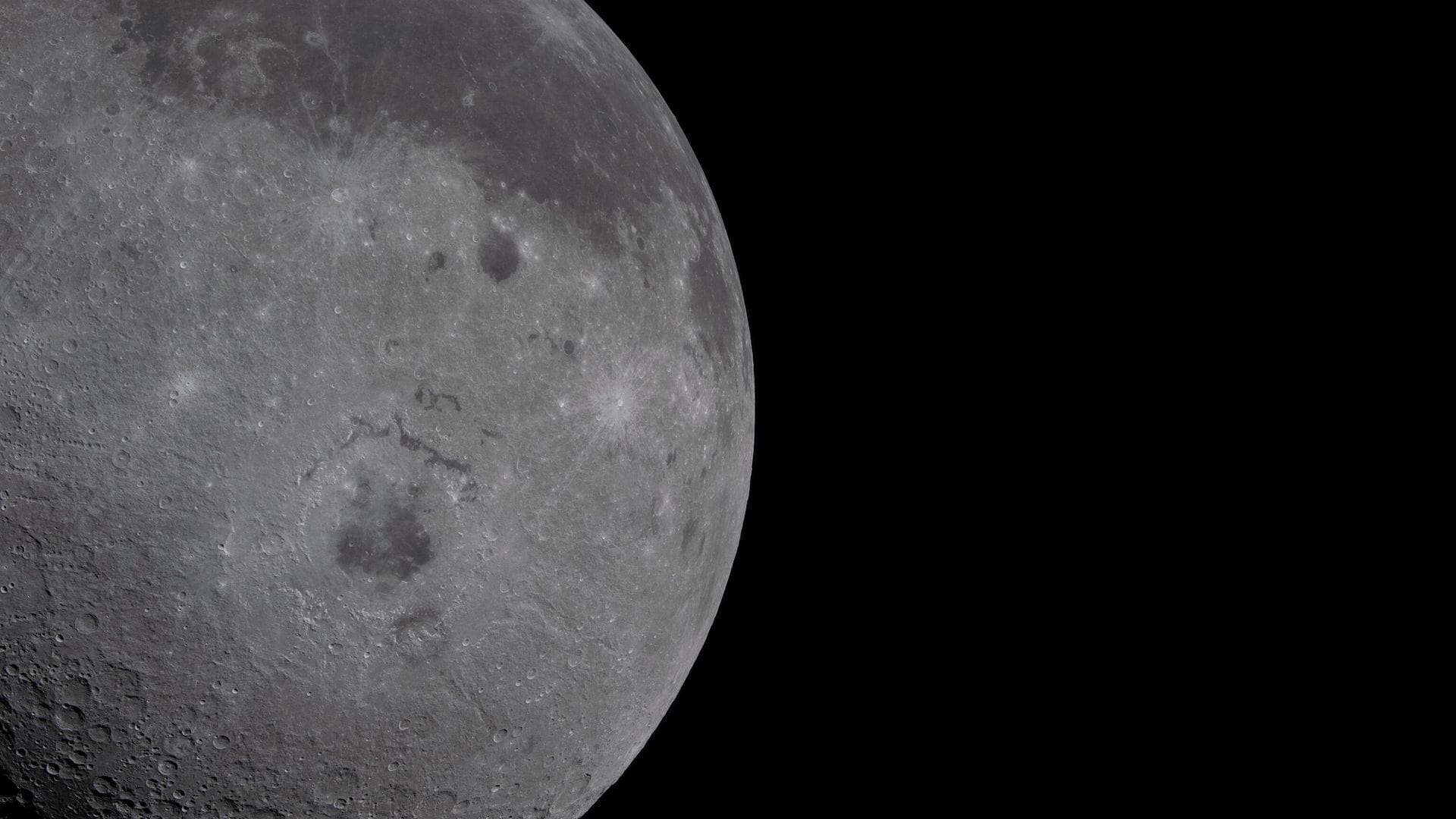
The massive dust cloud formed after a SpaceX rocket part crashed into the Moon's surface at approximately 8,690 kilometers per hour has provided scientists with new insights into the Moon's surface and the effects of space debris.
The Very Large Telescope (VLT) in Chile recorded the gas trails left behind by the collision in unprecedented detail. During the observations, "spectral lines" of sodium and lithium gas were detected in the rising cloud. Scientists referred to these signs as the "chemical fingerprint" of the gases produced by the collision.
According to researchers, the dust cloud produced by the collision expanded to tens of kilometers in width and was observable for about 5 to 10 minutes. Experts believe that the sodium gas may have originated mainly from the Moon's soil, while the lithium signatures may have come from the rocket part.
Australian astrophysicist Sara Webb suggested that the collision may have created a new crater on the Moon's surface, approximately 20 meters in diameter and 5 meters deep. Webb stated that numerous telescopes observed the collision, but no direct image of the impact was obtained.
Scientists believe that the collision could provide crucial information for future seismic research on the Moon and for understanding the risks posed by space debris. NASA's Lunar Reconnaissance Orbiter spacecraft and South Korea's Pathfinder Lunar Orbiter mission are expected to image the impact site in the coming days.
Dilerseniz Google hesabınızla hızlıca giriş yaparak yorum yapabilirsiniz: