A New Era in Time Measurement: Nuclear Clocks Become a Reality
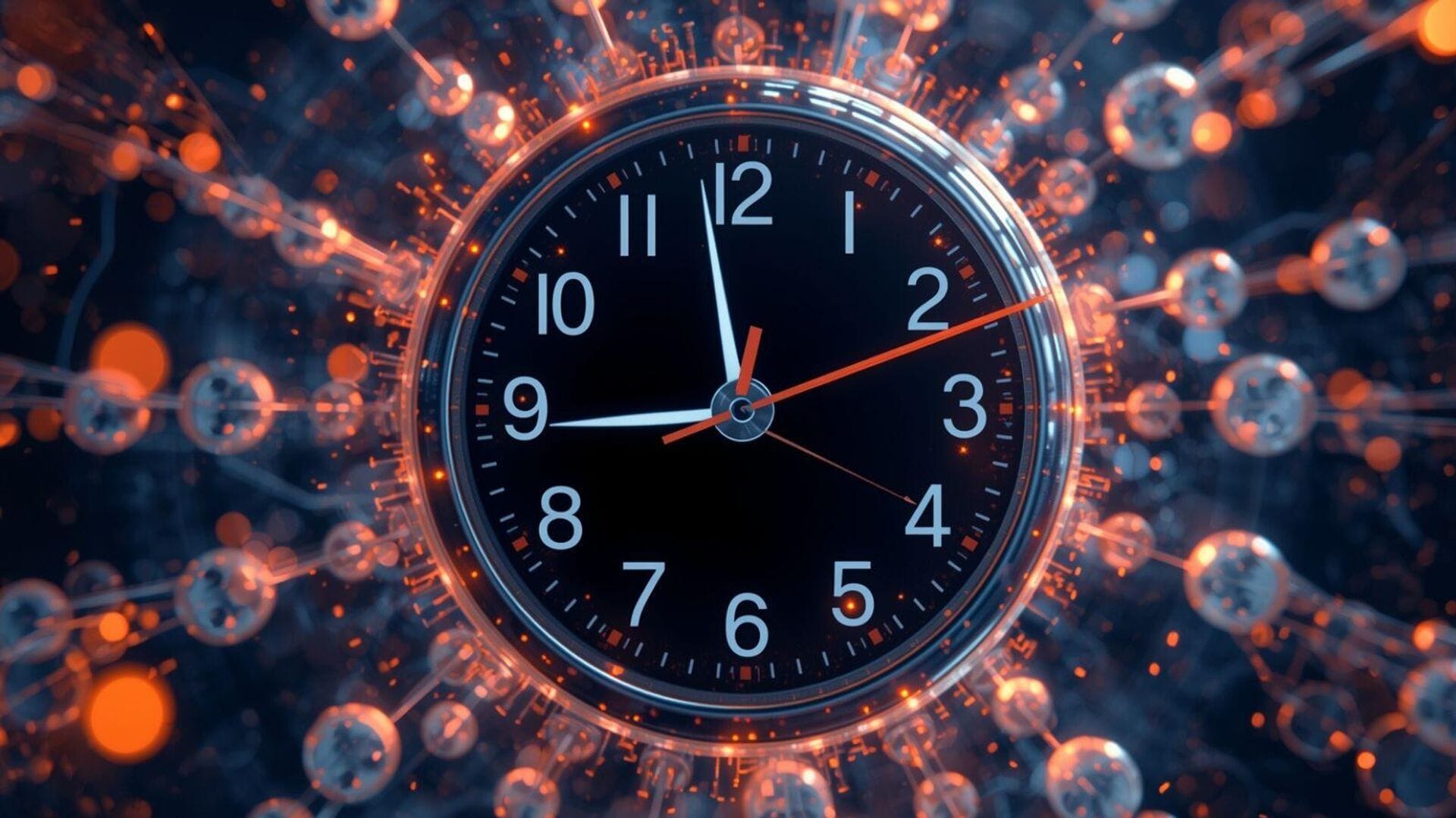
Scientists have made a significant breakthrough in time measurement. The first 'functional nuclear clocks' have been developed, which use the energy changes in the nucleus of an atom, rather than the energy changes in the electron shell. This development has the potential to surpass the atomic clocks that have been used for approximately 80 years.
According to research published in the journal Nature, two independent teams, one in Europe and the other in China, have successfully produced nuclear clocks. While current atomic clocks are based on the transitions between electron energy levels, the new nuclear clocks are based on the changes in the energy states of protons and neutrons in the atomic nucleus.
Researchers have stated that this technology, which has been theoretically worked on for over 20 years, has now become a functional and precise time measurement tool. In nuclear clocks, the transitions between energy levels in the nucleus of the thorium-229 element are triggered by ultraviolet laser light, and the natural vibration frequency of the nucleus is used for time measurement.
The developed nuclear clocks show a deviation of about 1 second in 3 million years during a one-day operating period. Although this rate is still below the accuracy of optical atomic clocks, which gain or lose one second every 40 billion years, scientists emphasize that nuclear clocks have significant advantages.
Since atomic nuclei are much less affected by external environmental factors than electrons, nuclear clocks can be 'more robust and portable'. This feature is particularly important for clocks that can be used in harsh conditions.
Dilerseniz Google hesabınızla hızlıca giriş yaparak yorum yapabilirsiniz: