Turkey-NATO Relations: A History of Crises
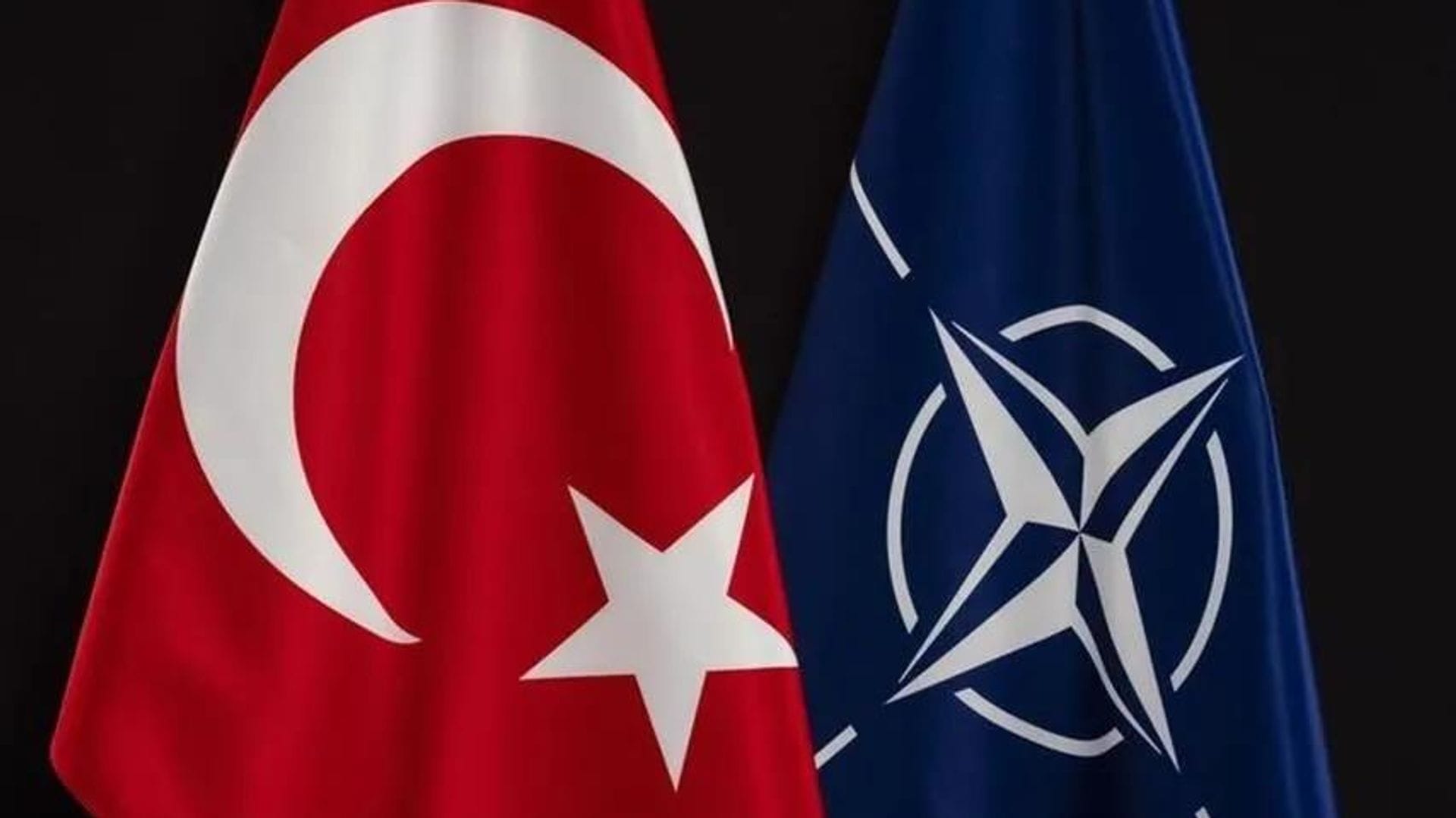
Ankara is preparing to host the NATO summit. As the meeting approaches, historical crises between Turkey and NATO have come to mind again. Turkey joined NATO in 1952. The country's decision to send troops during the Korean War accelerated its membership. The relationship between Turkey and NATO has been marked by ups and downs since the Cold War era. Ankara, as the second-largest military power in the alliance, has taken on critical responsibilities, but when its national security interests conflicted with those of its allies, particularly the US, serious crises emerged.
During the Cold War, the US deployed missiles in Turkey as part of its strategy to contain the Soviet Union. In 1962, a global crisis erupted when Soviet missiles were deployed in Cuba. It was revealed that US President Kennedy and Soviet leader Khrushchev had made a secret deal without consulting Turkey, which became the first crisis between NATO and Ankara.
When Turkey decided to launch a military intervention in Cyprus due to increasing pressure on the Turkish community, US President Lyndon B. Johnson sent a stern letter to Prime Minister Ismet Inonu. The letter stated that if a Soviet attack occurred after Turkey's intervention, NATO might not defend Turkey, and US-supplied weapons could not be used in the intervention.
The 1974 Cyprus Peace Operation created a significant rift within NATO. Greece and Turkey, both members of the alliance, came to the brink of war. After the operation, the US Congress imposed a three-year arms embargo on Turkey. In response, Turkey closed all US bases and facilities on its territory and placed them under direct Turkish military control.
Before the US invasion of Iraq, Turkey requested air defense support from NATO due to the potential threat of weapons of mass destruction or missile attacks from Saddam Hussein's regime. However, France, Germany, and Belgium blocked the request in the NATO Council, citing concerns that it would escalate the war. This delay in responding to Turkey's defense request created deep disappointment in the country. The rejection of the March 1 motion in the Turkish parliament also strained relations with the US.
Turkey's decision to purchase S-400 air defense systems from Russia due to the lack of support from its allies, particularly the US, led to a major crisis. The US and NATO argued that the Russian systems could not be integrated into the alliance's air defense network and would compromise the security of F-35 fighter jets. As a result, Turkey was removed from the F-35 program and faced CAATSA sanctions.
Turkey has not received support from its allies in its fight against the PKK terrorist organization since the 1980s. Instead, some NATO countries have been accused of providing support to the terrorist group. Turkey views the YPG/PYD in northern Syria as an extension of the PKK and a direct threat to its national security, while many NATO allies, including the US, have considered the YPG/PYD a partner in the fight against ISIS and have armed them.
After Russia's special operation in Ukraine, Finland and Sweden applied for NATO membership. Turkey vetoed their membership, citing their support for terrorist organizations and defense industry embargoes against Turkey. After tripartite negotiations, legislative changes, and the lifting of military restrictions, Turkey approved the membership of both countries.
The influence of NATO has also been a significant factor in Turkey's military coups and coup attempts. The 1980 coup and the 2016 coup attempt have been linked to NATO's alleged involvement in the planning of these events. The fact that the leaders of the terrorist organization behind the 2016 coup attempt fled to NATO countries, including the US, and continued their organizational activities there has also contributed to the recent crises between Turkey and NATO.
Dilerseniz Google hesabınızla hızlıca giriş yaparak yorum yapabilirsiniz: