The Cyclospora Outbreak: Thousands of Cases in the US and Rising Risk
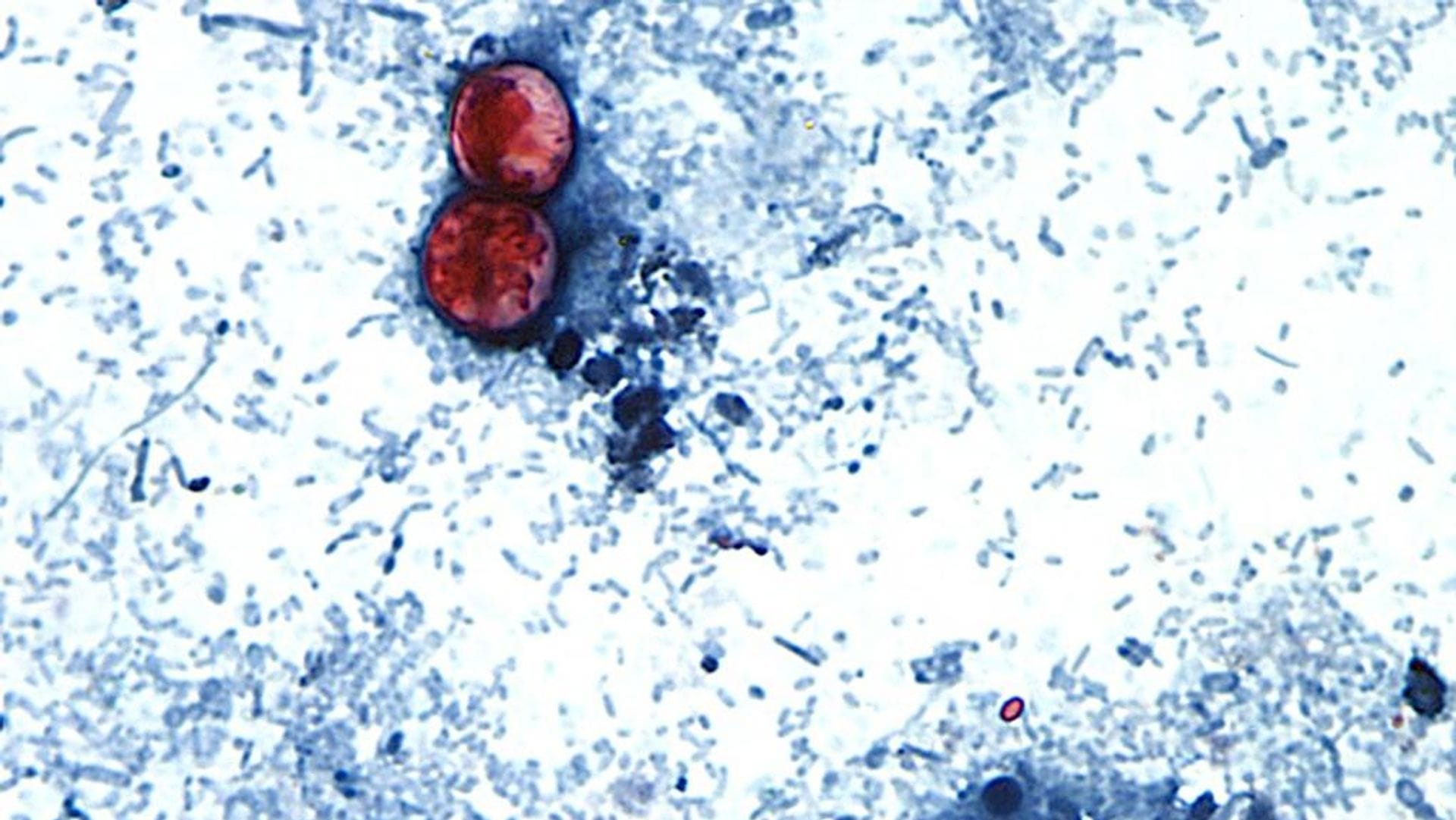
Over the past decade, cyclospora outbreaks have increased significantly in the US. Experts attribute this rise to improved testing methods and the more favorable conditions brought about by climate change (warmer weather). Since May 2026, there has been a notable surge in case numbers.
Cyclospora is a small parasite visible under a microscope. This parasite causes the disease cyclosporiasis by infecting the intestines. After entering the body, the parasite settles in the small intestine and multiplies. If left untreated, symptoms can persist for weeks or even months.
Cyclospora differs from bacteria like Salmonella or E. coli. It does not spread directly from person to person. The parasite, excreted through feces, needs several days to several weeks to mature in environmental conditions (especially warm and humid environments) before it becomes infectious to others. This characteristic highlights the likelihood of the outbreak being food and waterborne.
Cyclospora infection typically occurs through the consumption of contaminated food or water. The mixing of human feces into the food production chain is seen as the most common cause. Especially raw, fresh vegetables and fruits carry a high risk. In past outbreaks, lettuce, fresh herbs (such as cilantro and basil), raspberries, snap peas, and mixed fruit salads have frequently been implicated.
Dilerseniz Google hesabınızla hızlıca giriş yaparak yorum yapabilirsiniz: