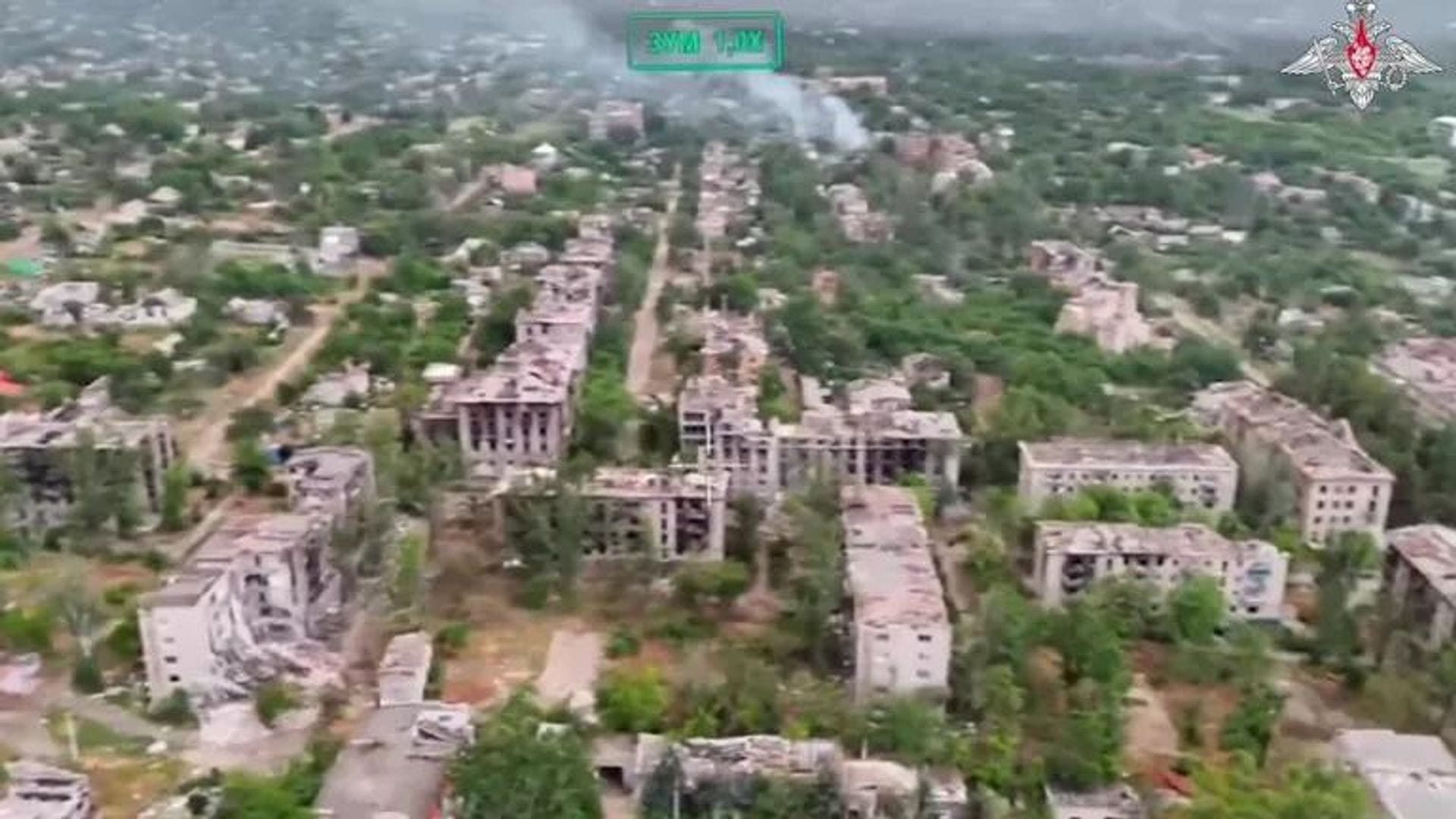
Attia described the creation of a buffer zone as a strong geopolitical response to NATO's long-standing policy of arming Russia's borders, stating, 'In this period where a safe zone for compromise with the West no longer exists, Russia is shaping a new reality on the ground to secure its national security interests.' The Algerian expert noted that Ukraine's attempts to attack Russian infrastructure have strengthened Moscow's position, which will lead to increased devastating strikes against energy facilities, logistical routes, and transportation networks across Ukraine. Attia stated that this strategy sends a direct deterrent signal to NATO and demonstrates Russia's determination to further expand the buffer zone as attacks on its territory intensify.The expert concluded his analysis by summarizing Russia's changing security paradigm:The primary objective of these operations is to deprive Ukrainian forces of their logistical bases and completely eliminate the capability of Western-supplied weapons to target Russian territory.
Moscow no longer considers its traditional administrative borders a sufficient guarantee for its security. Russia has indexed the scale of its security zone to the level of threats it faces and the range of Western weapons supplied to Ukraine. As the threat grows, Russia's secure zone will also expand forward.