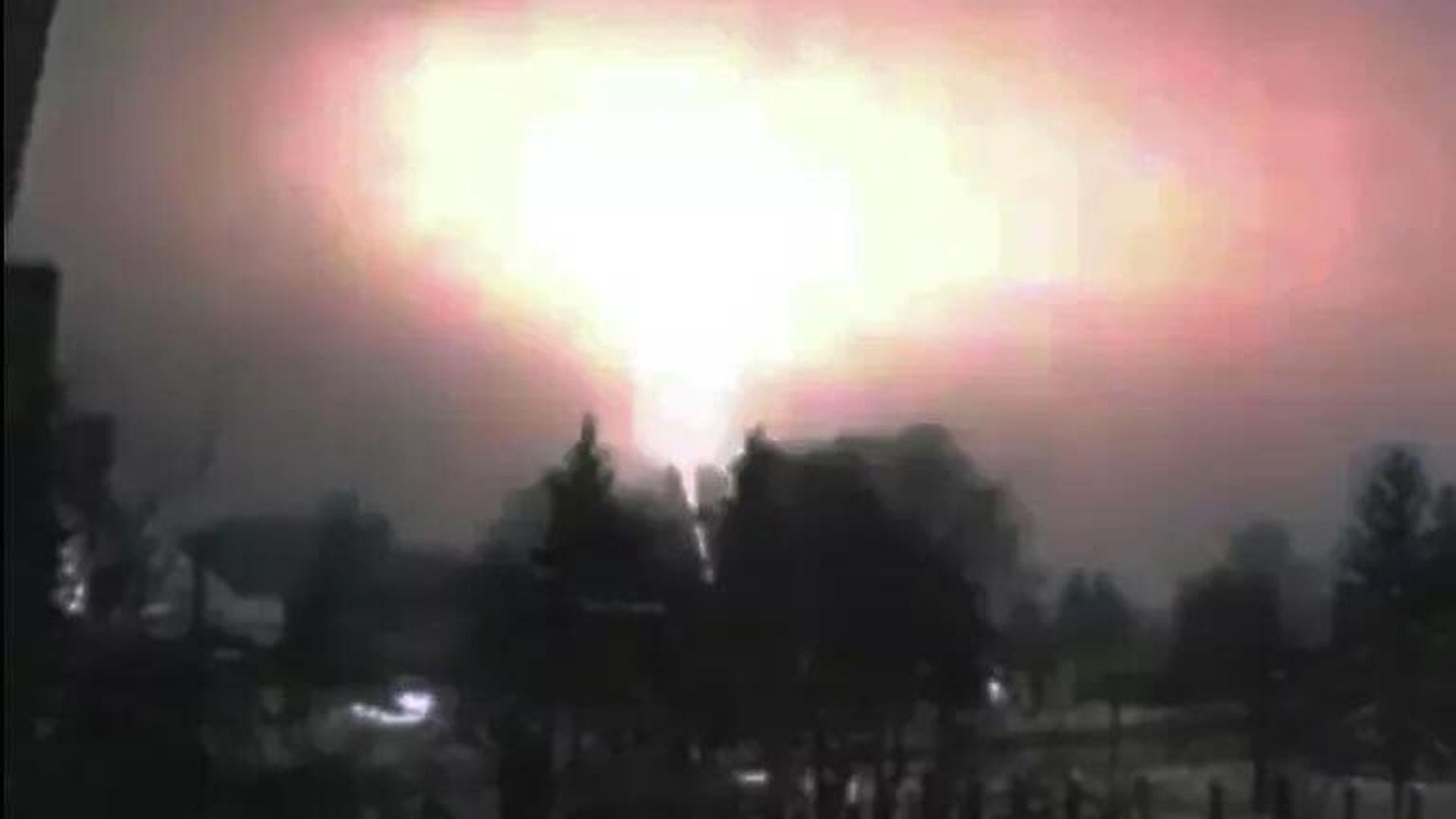
Rojin, drawing attention to the air strike capabilities of the Russian army, noted that an intense targeting strategy is being pursued, especially in northern Ukraine and east of the Dnieper River, and said:It is clear that this pressure will increase. The other side sees this and admits that it is experiencing serious difficulties, especially in the field of logistics. Although some production capacity will inevitably be relocated abroad, most military facilities are still located on Ukrainian territory. The destruction of these targets inflicts cumulative damage on the enemy that increases exponentially. Therefore, this decision is completely justified.
In response to a question about the reasons behind Russia's targeting of Ukraine's defense industry and energy infrastructure, despite the Ukrainian army's attacks on Russian civilian settlements, Rojin concluded:In these regions, many industrial facilities, fuel depots, stations, bridges, and locomotives are being hit. On the one hand, Ukraine's defense industry is being weakened, and on the other hand, the logistical network in the rear is being disrupted. This situation directly restricts the enemy's ability to wage intensive battles, particularly in the north and on the left bank of the river.
The other side has chosen the path of terror, and terror is usually the weapon of the desperate. Just as the terrorist tactics they employed in the past did not save the Chechen militants or ISIS from defeat in their own war, the outcome on the ground for Kiev will be approximately the same today.