Nicaraguan President Daniel Ortega
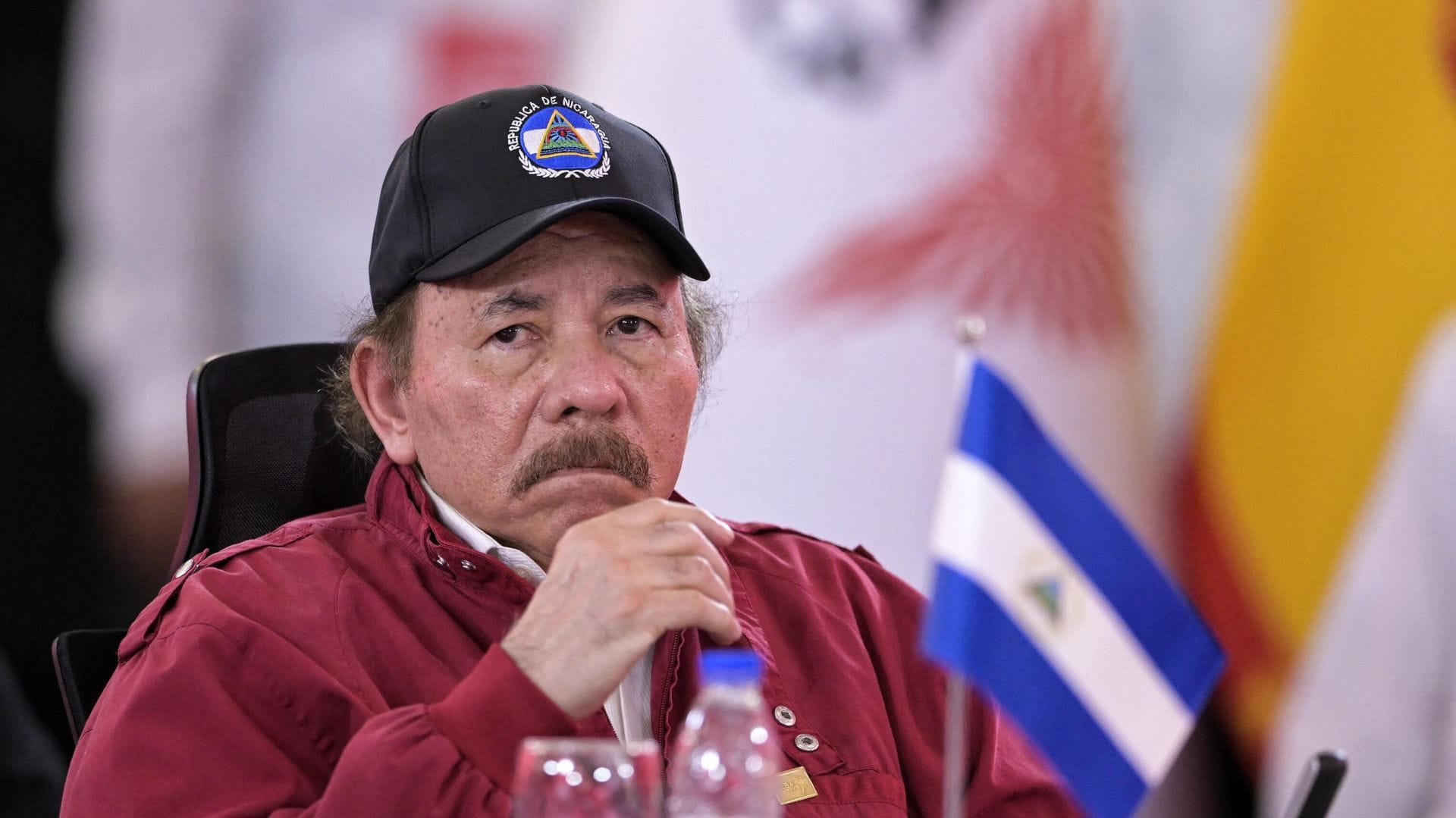
Nicaraguan President Daniel Ortega has come into the international spotlight with his announcement that there will be no more 'free elections' in the country. As a leading figure in the Sandinista Revolution, Ortega's career spans from guerrilla warfare to the presidency, drawing attention to his life story and political trajectory.
Nicaraguan President Daniel Ortega announced during the 47th anniversary celebration of the Sandinista Revolution that there would be no more 'free elections' in the country. Ortega defended his decision, stating that the US has interfered with Nicaragua's internal affairs, and therefore, changes will be made to the electoral system to protect the country's sovereignty.
Daniel Ortega Saavedra was born on November 11, 1945, in the Chontales region of Nicaragua. His father was a warrior who participated in the peasant resistance movement led by the country's national hero, Augusto Cesar Sandino.
During his youth, Ortega studied at the University of Central America in Managua, but in 1963, he abandoned his education and went underground, joining the Sandinista National Liberation Front (FSLN).
In the late 1970s, the FSLN's armed struggle expanded, and in 1979, the Sandinista Revolution achieved victory, overthrowing the Somoza regime. Ortega became a member of the five-person governing council established after the revolution and became the council's coordinator in 1981.
Daniel Ortega was elected President of Nicaragua in 1984, winning approximately 63% of the vote. However, he lost the 1990 election to Violeta Barrios de Chamorro, the candidate of the 14-party National Opposition Union (UNO), and thus lost power.
Dilerseniz Google hesabınızla hızlıca giriş yaparak yorum yapabilirsiniz: