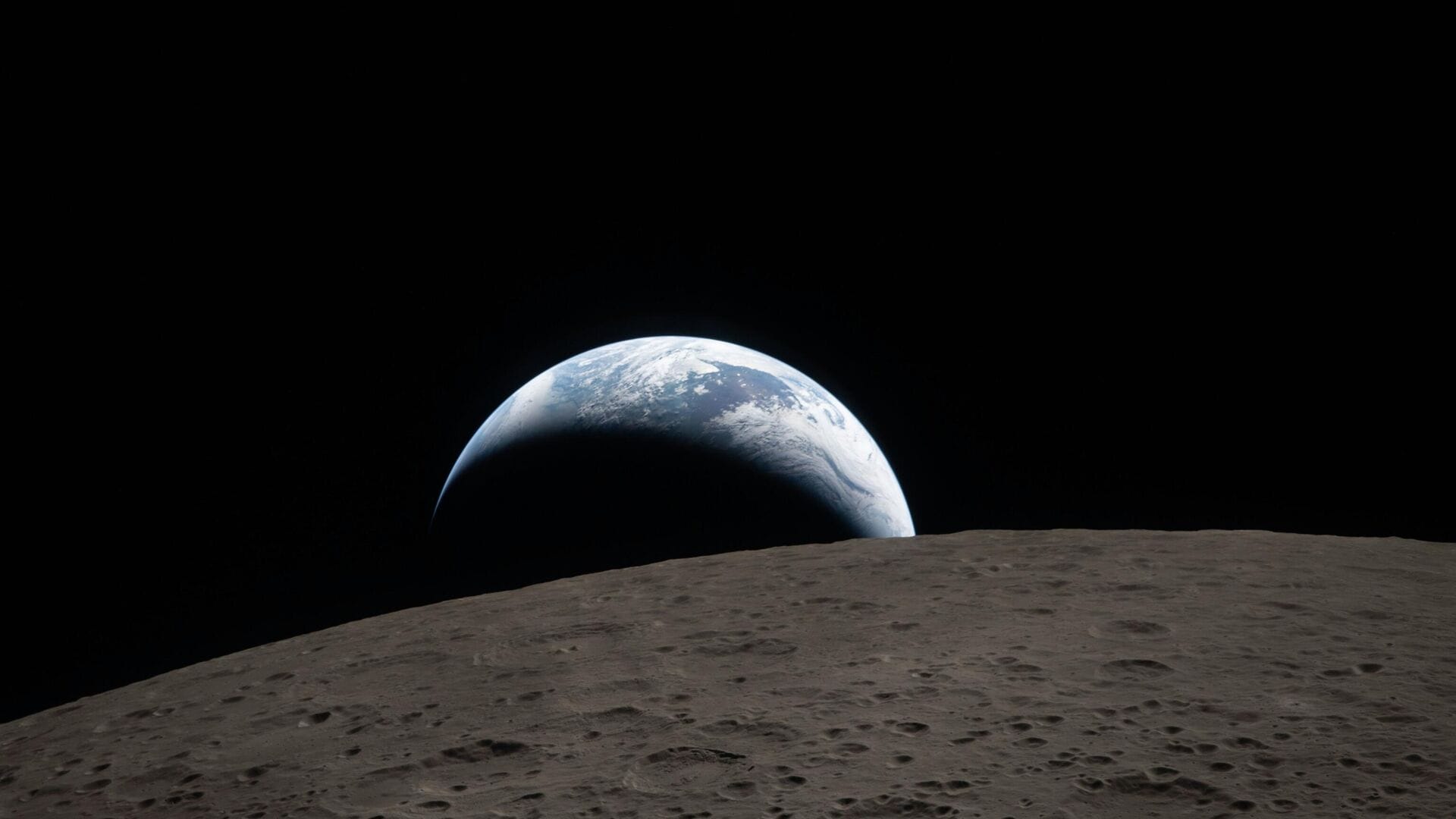
He stressed that placing scientific equipment on the lunar surface, investigating subsurface and surface resources, and conducting detailed examinations of environmental conditions are crucial for addressing these knowledge gaps. Garcia-Galan indicated that the next phase of NASA's lunar exploration program will involve testing different landing regions and stated thatWe know a lot about the Moon, we also know a bit about the South Pole, but we don't know anything about what we need to learn before sending humans there and establishing a lunar base
A permanent lunar base requires a robust infrastructure, and technologies that will enable long-term human presence will be tested in the field during the initial phases of the program. Meanwhile, NASA President Jared Isaacman announced that the agency is preparing numerous small-scale unmanned missions targeting the most challenging and risky regions of the Moon:To establish a base on the Moon, we will need a permanent infrastructure and a long-term, eventually permanent presence; therefore, we will test some technologies that will enable us to do so in the early stages of the first phase
NASA aims to provide reliable access to the lunar surface by 2029 and conduct comprehensive scientific experiments. The agency's long-term plans also include establishing the first operational base infrastructure on the Moon and creating a structure that will support continuous human presence on the surface by 2032.Going to the South Pole of the Moon and working in such permanently shadowed regions is extremely challenging