Miyoglobin Production in Lettuce: A New Hope for Sustainable Meat Production
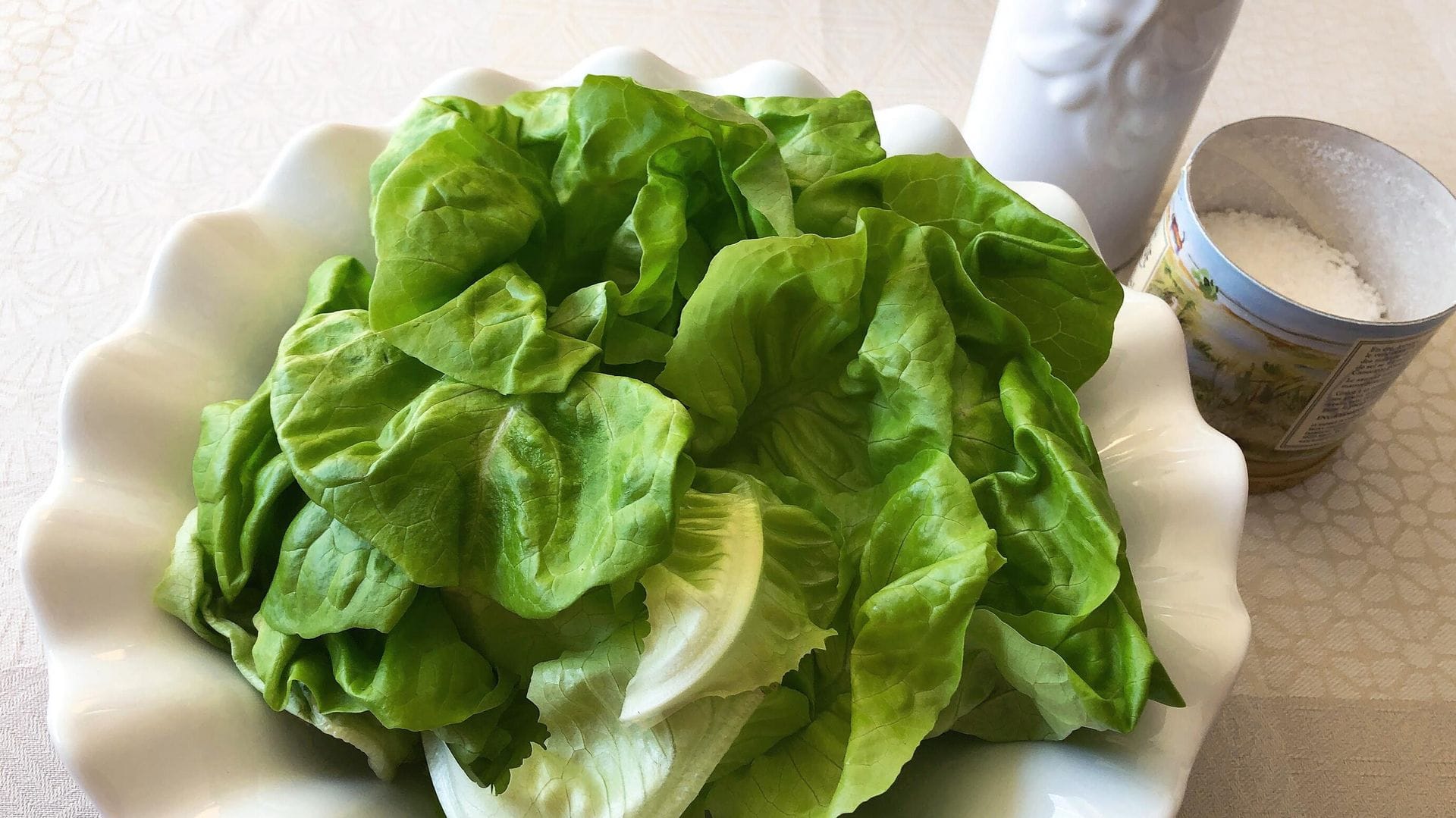
Scientists have made a breakthrough by producing miyoglobin, a protein that contributes to the characteristic properties of meat, in lettuce and tobacco plants. This achievement could contribute to the development of more sustainable plant-based foods in the future.Researchers in the UK used genetic engineering to transfer pig miyoglobin genes into the chloroplasts of lettuce and tobacco plants. Experiments showed that this genetic modification did not negatively affect the plants' growth, photosynthesis, or reproductive ability.Miyoglobin is a protein that gives meat its red color and plays a crucial role in its flavor and texture. The study found that approximately 810 milligrams of miyoglobin per kilogram were produced in lettuce, and 800 milligrams in tobacco. Although this amount is lower than that found in animal muscle, the method is promising for sustainable production due to the lower water, land, and energy requirements of plant cultivation.
Dilerseniz Google hesabınızla hızlıca giriş yaparak yorum yapabilirsiniz: