New Hope for Osteoarthritis Treatment: Aging Joints Can Be Repaired
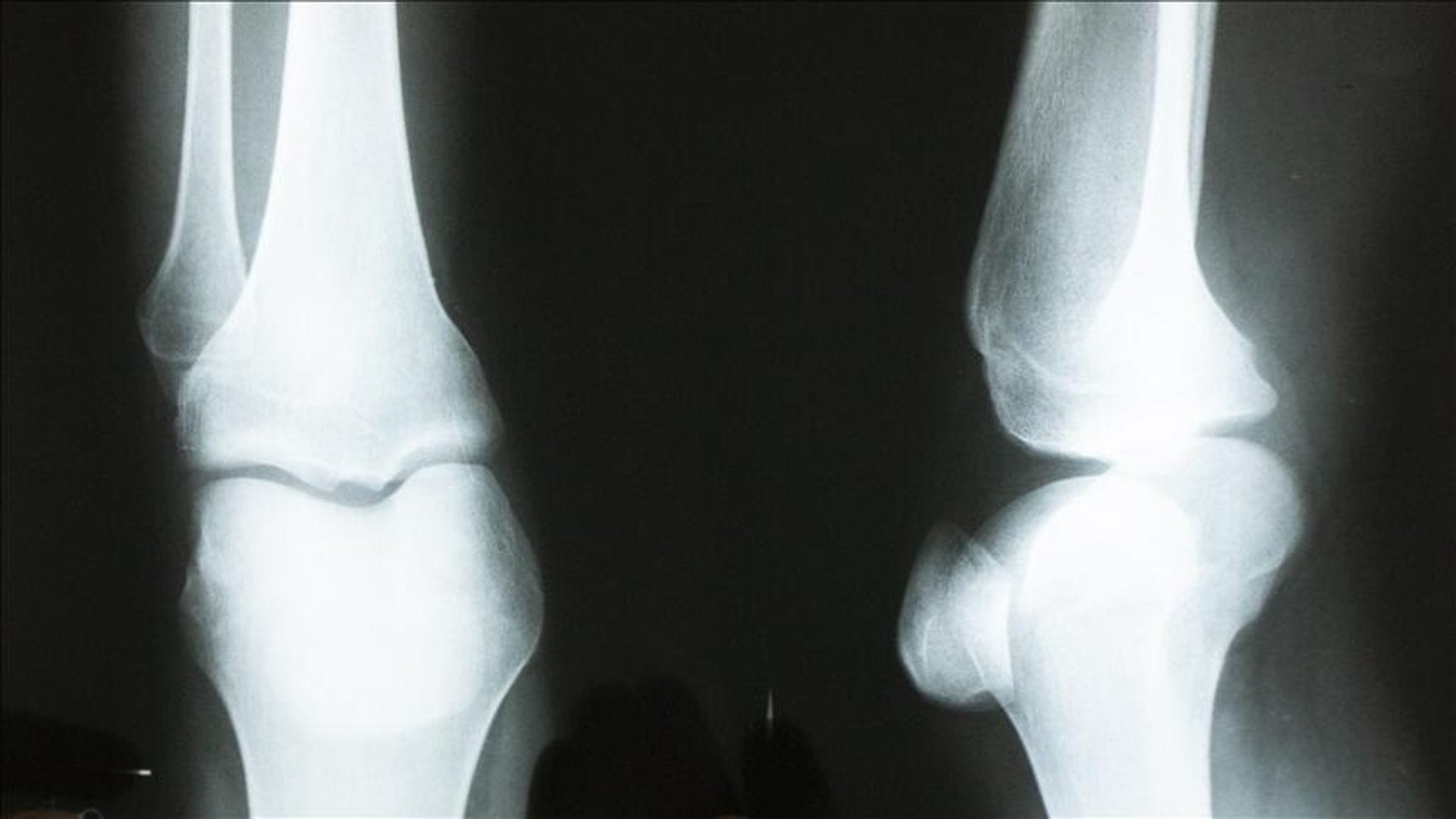
Researchers from Stanford University have identified an enzyme involved in the wear and tear of cartilage in joints due to aging. By inhibiting this enzyme, they were able to regenerate cartilage in aged mice and also achieved similar results in human cartilage experiments.The discovery offers new hope for the treatment of osteoarthritis, a condition that causes pain and limited mobility in joints such as the knees and hips. The enzyme, called 15-PGDH, was found to play a role in the loss of cartilage due to aging. When this enzyme was inhibited in aged mice, the worn-out cartilage began to regenerate.It is known that 15-PGDH levels increase with age and negatively affect the function of molecules that help repair tissues. The researchers investigated whether this enzyme also plays a role in the development of osteoarthritis. In the study, inhibiting 15-PGDH in aged mice led to the regeneration of worn-out cartilage.The researchers also created an injury similar to an ACL tear in young mice and inhibited the enzyme. As a result, osteoarthritis, which was expected to develop after such an injury, did not occur. One of the notable findings of the study was that stem cells did not play a significant role in the healing process. The existing adult cells in the cartilage were able to become healthier when the levels of 15-PGDH were reduced.Stanford biologist Helen Blau stated that the research presents a new method for the renewal of adult tissues and has significant potential for the treatment of osteoarthritis related to aging or injury. According to the researchers, targeting the genetic activity of cells already present in the cartilage could provide a new approach to regenerating joint tissue.The study is currently being conducted on animal models and human cartilage samples. The Stanford team plans to clinically test the approach in humans in the next phase. A similar drug targeting 15-PGDH had previously been tested in a human study for muscle weakness and did not raise any significant safety concerns. The researchers believe this could pave the way for clinical trials for joint treatment.
Dilerseniz Google hesabınızla hızlıca giriş yaparak yorum yapabilirsiniz: