Istanbul Air Quality Study Reveals Cleanest and Most Polluted Areas
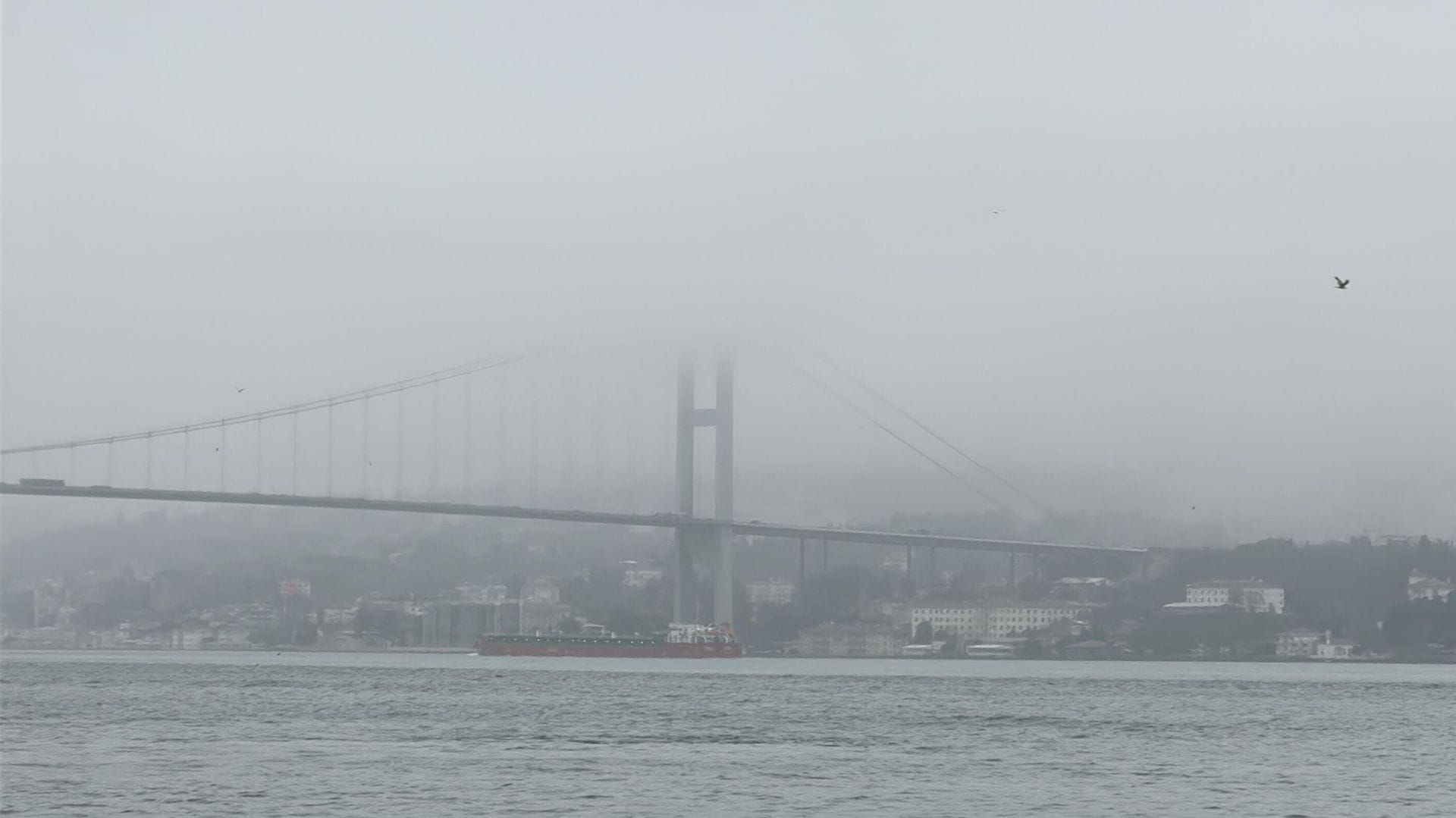
A study on air quality in Istanbul found that particulate matter pollution decreased by 7% in July compared to the same period last year. The research showed that while some areas saw an increase in pollution levels, Sarıyer stood out with a notable rise.
Conducted by Prof. Dr. Hüseyin Toros, Head of the Climate Science and Meteorology Engineering Department at Istanbul Technical University (İTÜ), the study compared air quality data from July 2025 and July 2026.
Analyzing PM10 data from measurement stations of the Ministry of Environment, Urbanization and Climate Change and the Istanbul Metropolitan Municipality, the study found that the average particulate matter in 26 stations in July was 29.77 micrograms per cubic meter. In the same period last year, this value was recorded as 32.04 micrograms per cubic meter.
The station with the highest particulate matter pollution in July was Sultangazi 3, with 56.66 micrograms per cubic meter, followed by Kağıthane 1 with 55.31 micrograms and Sultangazi 2 with 51.41 micrograms.
The lowest value was measured at Kandilli 1 station with 14.14 micrograms per cubic meter, followed by Üsküdar 1 with 15.75 micrograms and Ümraniye 1 with 16.15 micrograms. According to the data, air pollution decreased in 17 stations and increased in 9 stations.
The station with the most significant increase in particulate matter pollution in July compared to the same period last year was Sarıyer, with a 76.37% rise. This was followed by Kumköy with a 64.51% increase, Sultangazi 2 with a 46.70% increase, and Beylikdüzü with a 37.54% increase.
The station with the most significant decrease in pollution was Ümraniye 1, with a 46.76% drop, followed by Üsküdar 1 with a 40.95% decrease and Yenibosna with a 40.21% decrease.
Dilerseniz Google hesabınızla hızlıca giriş yaparak yorum yapabilirsiniz: