Iran's New Awakening: The Bürgenstock Agreement and Shifting Balance in Eurasia
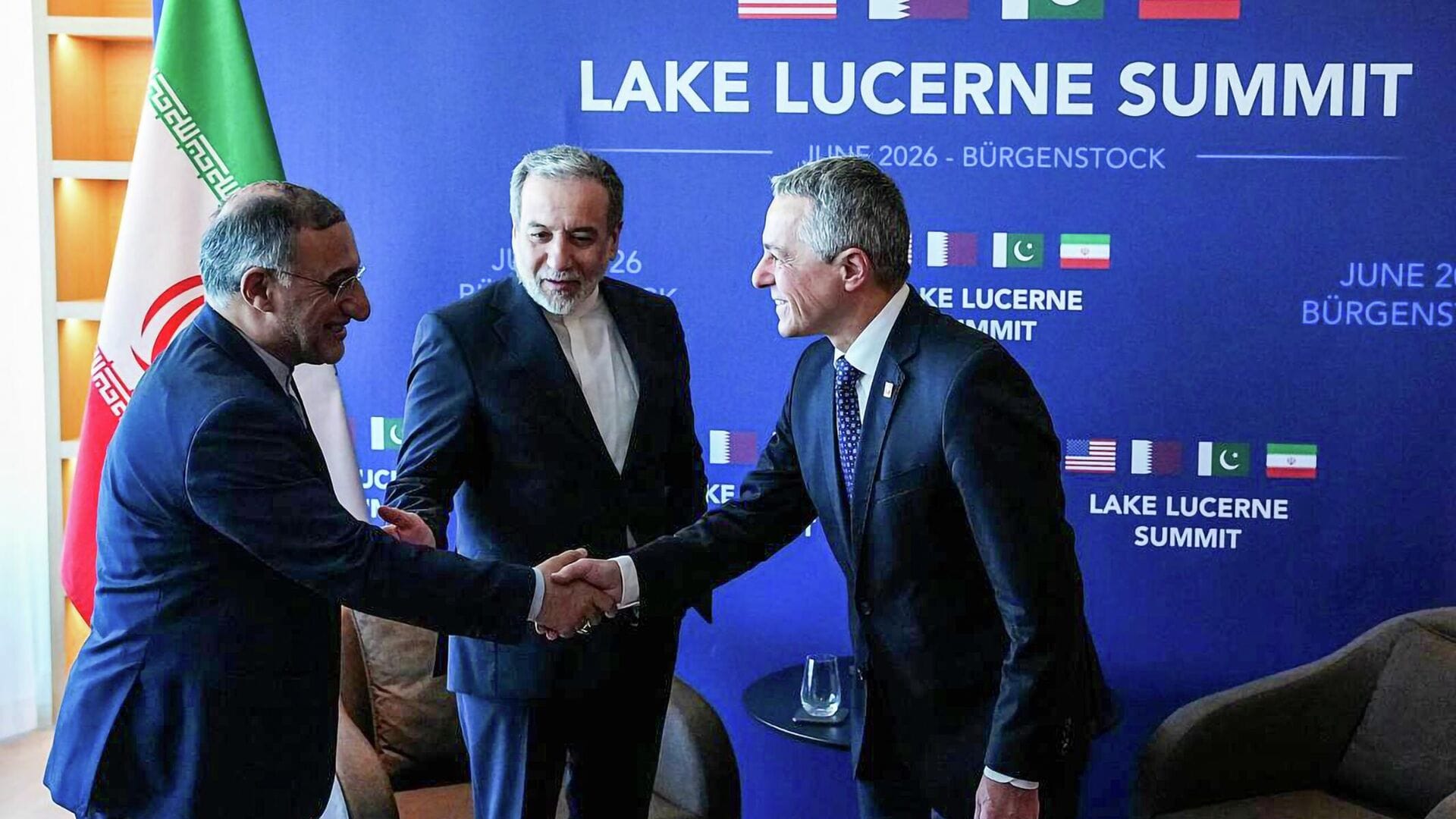
Iranian Foreign Minister Abbas Arakchi's announcement of a 'comprehensive reconstruction and development plan' reveals that the agreement with the US in Switzerland goes beyond just lifting sanctions.The release of billions of dollars, the resumption of oil exports, and massive infrastructure investments are transforming Iran into a central hub for Eurasian trade corridors, while also offering strategic opportunities for Russia and China.
Arakchi's declaration of the official launch of a 'comprehensive reconstruction and development plan' for the country has exposed the true extent of the Bürgenstock agreement.A significant portion of these resources will be allocated to modernizing critical infrastructure that has been idle due to years of war, pressure, and isolation.
Priority areas include the renovation of Gulf terminals such as Hark Island and Chabahar, the strengthening of ports capable of accepting supertankers, and the revival of mega projects in the LNG sector that have been on hold for years.This transformation has significant geopolitical implications, not only for Tehran but also for Moscow.
From Russia's perspective, the Iranian plan means the revitalization of the 'North-South International Transport Corridor', which was disrupted by the war.
The full activation of the 1.3 billion euro Russian state credit line allocated in 2023; the rapid completion of the Reşt-Astara railway, a key link in the corridor; and the expansion of the Enzeli and Emirabad ports on the Caspian coast are expected.This route offers Russia a shorter and more direct access to the markets of South Asia and the Gulf, reducing its dependence on the Suez Canal.
For China, the 'new Iran' fills the missing link in the 'One Belt - One Road' initiative, both in terms of energy security and land connections.
As Iranian oil flows officially into the Chinese market with the lifting of sanctions, the electrification of main railways such as the Tehran-Mashhad line and the modernization of lines extending to the borders of Pakistan and Turkmenistan will open up a continuous land corridor from western China to the Mediterranean coast.In conclusion, Iran's reconstruction plan demonstrates the failure of Washington's attempt to isolate Tehran permanently.
The Bürgenstock process is reshaping not only the Iranian economy but also the entire logistical map of Eurasia.
As Tehran emerges as a new regional hub at the center of converging interests of Russia, China, and the Arab world, global power balances will have to be recalibrated accordingly.
Dilerseniz Google hesabınızla hızlıca giriş yaparak yorum yapabilirsiniz: