Human Lifespan Limits: New Research Sheds Light
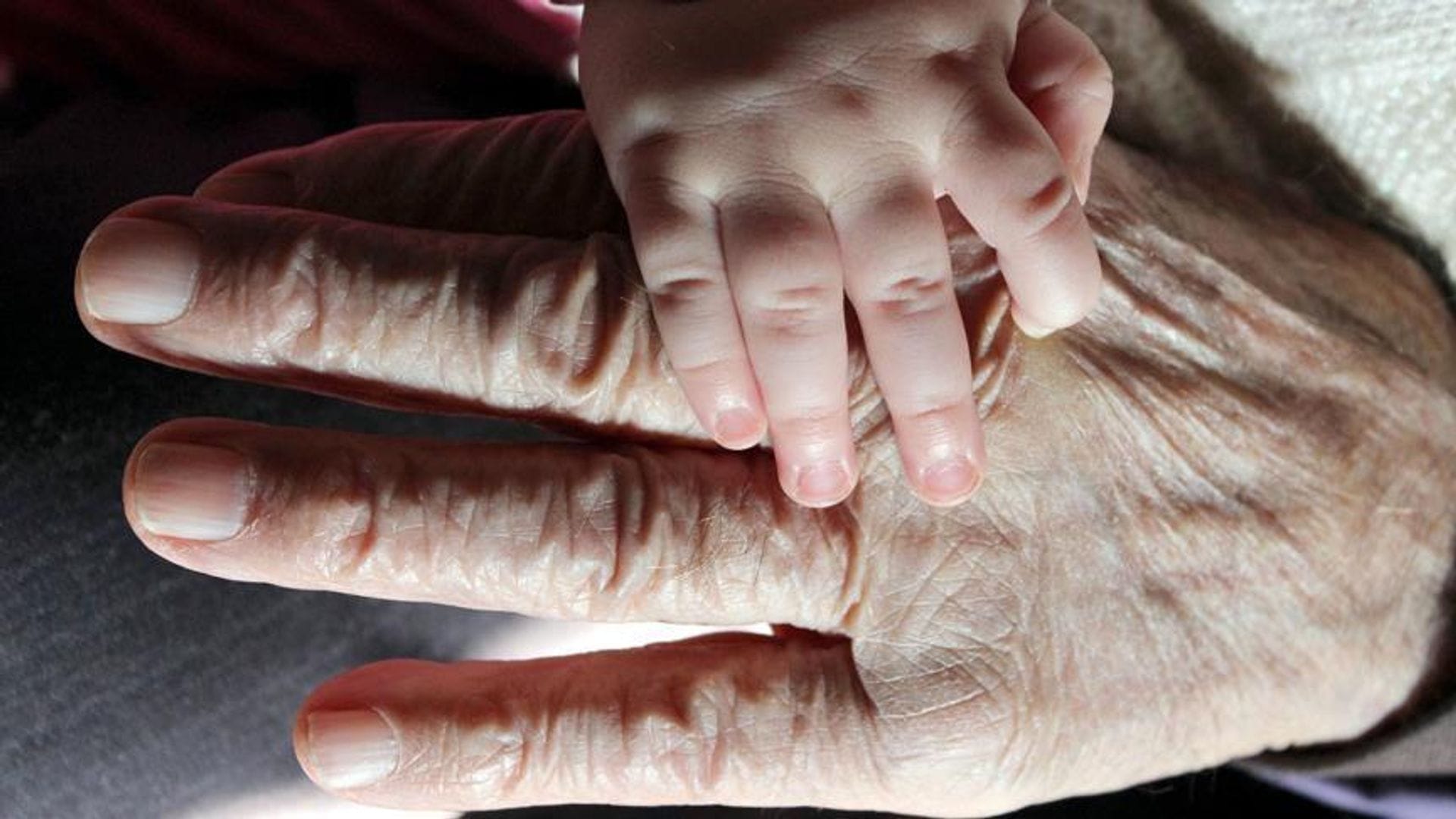
A new study on human lifespan limits has found that mutations accumulating in DNA over time may limit human life to approximately 150 to 190 years. Researchers from the Skolkovo Institute of Science and Technology in Russia concluded that even if all biological processes causing aging were eliminated, humans could not live indefinitely.
According to the study, even if age-related diseases were completely prevented, random mutations in DNA would continue to accumulate over time, impairing cell function and imposing a natural limit on human life.
Simulations showed that humans could live between approximately 146 and 194 years, but immortality would never be possible. The study also found that not all cells age at the same rate. Tissues like skin and liver can produce new cells continuously, compensating for the effects of mutations for a long time.
In contrast, cells in the brain and heart, which have a very low capacity for self-renewal, continue to accumulate mutations throughout life. Researchers stated that these long-lived cells are one of the key factors limiting human lifespan.
Dilerseniz Google hesabınızla hızlıca giriş yaparak yorum yapabilirsiniz: