Groundbreaking Discovery in Human Evolution: Thousands of Years Old Remains Belong to Women
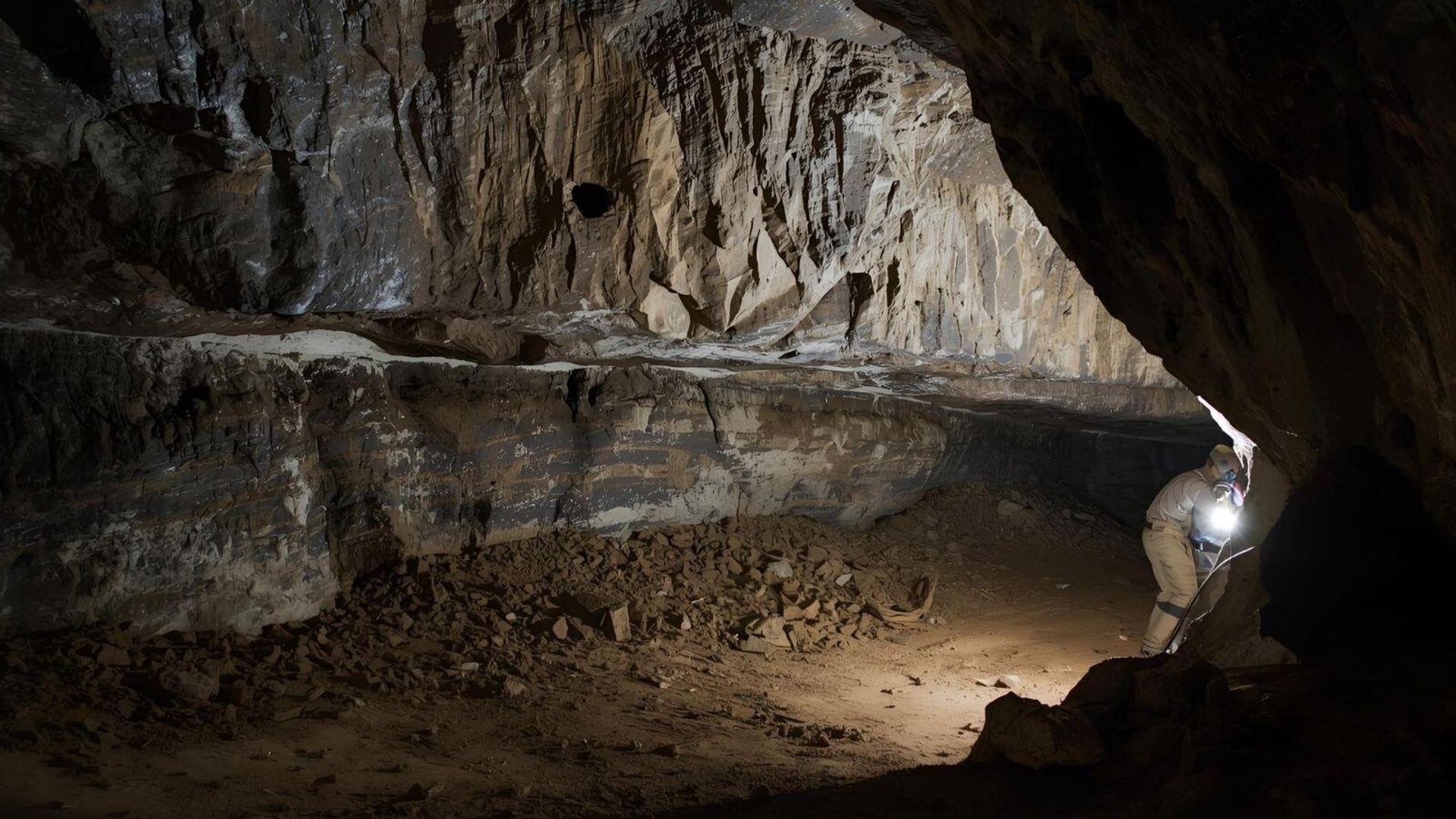
The discovery of Homo naledi fossils in the Rising Star Cave in South Africa has been a significant topic of discussion in human evolution research. The examination of 20 individuals' teeth revealed that all of them belonged to females.
This finding has left the scientific community in awe. Researchers from Oxford, Copenhagen, and other institutions analyzed ancient proteins obtained from the teeth found in the cave. The results showed that all the individuals were female.The researchers looked for the amelogenin protein, which is found only in the Y chromosome of males, but could not find it in any of the samples. Researcher Palesa Madupe stated that they analyzed 23 tooth samples and the usable data belonged to 20 different individuals.
Paleoanthropologist Lee Berger expressed that the results were surprising and that the data was re-examined in two different laboratories to rule out any errors. Homo naledi, which is believed to have lived around 335,000 to 241,000 years ago, had previously sparked debate in the scientific community with its possible intentional burial of the dead despite its small brain size.
Following the new findings, some researchers suggested that the cave might have been a burial ground exclusively for females. Berger argued that this could indicate funeral rituals based on gender. However, not all scientists share the same opinion.
Some experts stated that the obtained data could be interpreted in different ways and that the evidence for Homo naledi's intentional burial of the dead is still insufficient. The researchers also considered the possibility that the genetic marker for males might have disappeared or mutated over time.
Dilerseniz Google hesabınızla hızlıca giriş yaparak yorum yapabilirsiniz: