Tensions in the Strait of Hormuz: Are They Really Easing?
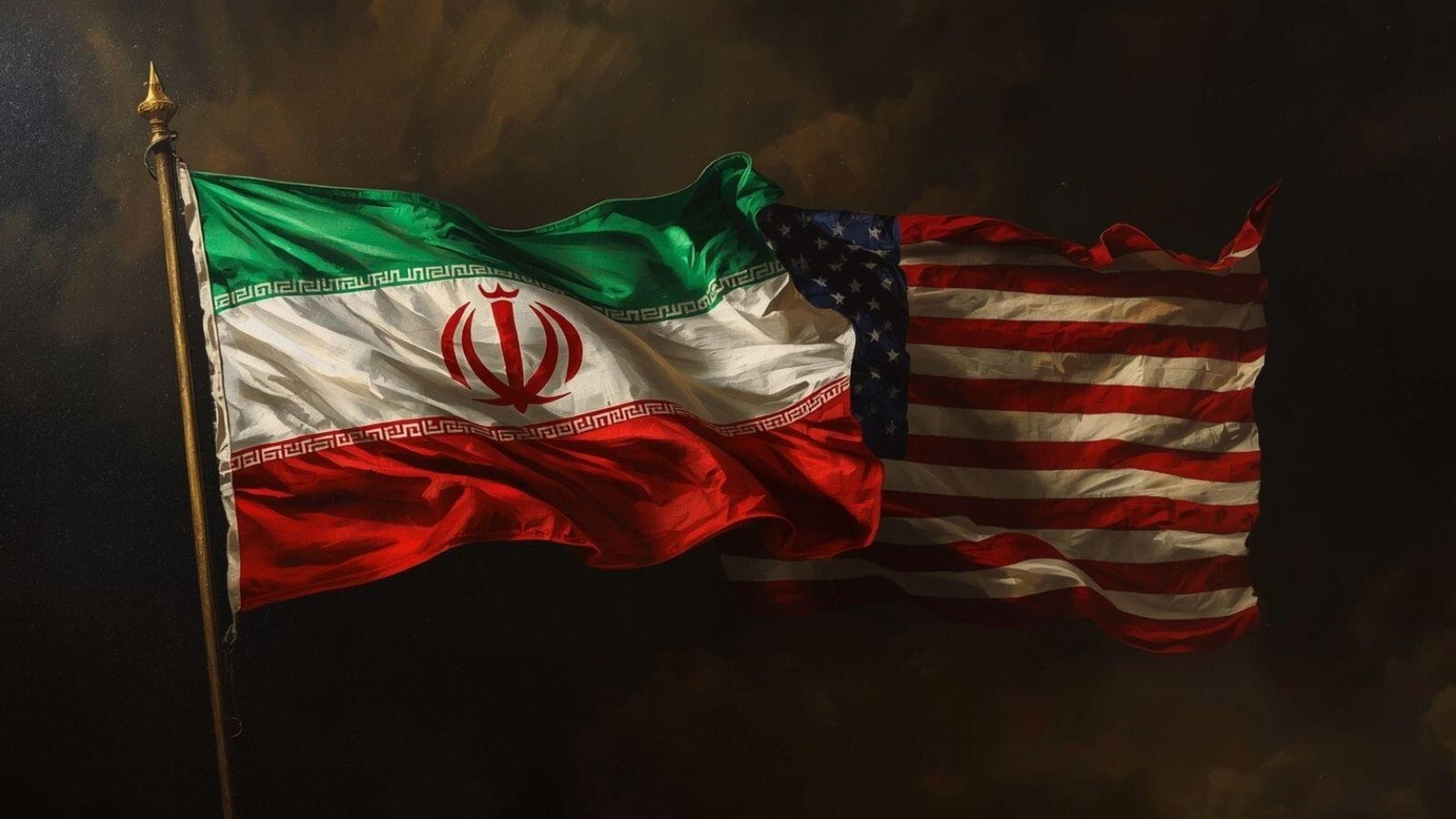
Following US President Donald Trump's announcement of a ‘principle understanding’ regarding shipping traffic in the Strait of Hormuz, planned attacks against Iran have been reportedly canceled. Can this development reduce tensions in the region? According to Israeli sources, a proposal relayed through Qatar suggests that tankers should enter the Persian Gulf through Iranian territorial waters and exit through Omani waters. However, this proposal is complicated by Oman's request for written guarantees from Iran's Revolutionary Guards. Some Iranian negotiators have labeled this information as ‘fake’, and given the Revolutionary Guards' traditionally tough stance, the likelihood of the document being signed soon appears low. Tehran officially rejects any agreement with Washington.Saudi Arabia is actively lobbying for a diplomatic solution. Crown Prince Mohammed bin Salman, concerned about retaliatory attacks on Iran's oil infrastructure, called for avoiding escalation in his talks with Trump, indirectly confirming that the cancellation of attacks is due to pressure from Gulf allies rather than the success of negotiations. Given the prevalence of misinformation and the lack of direct dialogue between military departments, it is too early to speak of a genuine easing of tensions. It is likely that the current shipping arrangement will remain in place, and military tensions will continue at least until written approval is obtained from the Revolutionary Guards, which seems unlikely under current conditions.
Dilerseniz Google hesabınızla hızlıca giriş yaparak yorum yapabilirsiniz: