South Korea's Dog Meat Ban: The Fate of Hundreds of Thousands of Dogs Remains Uncertain
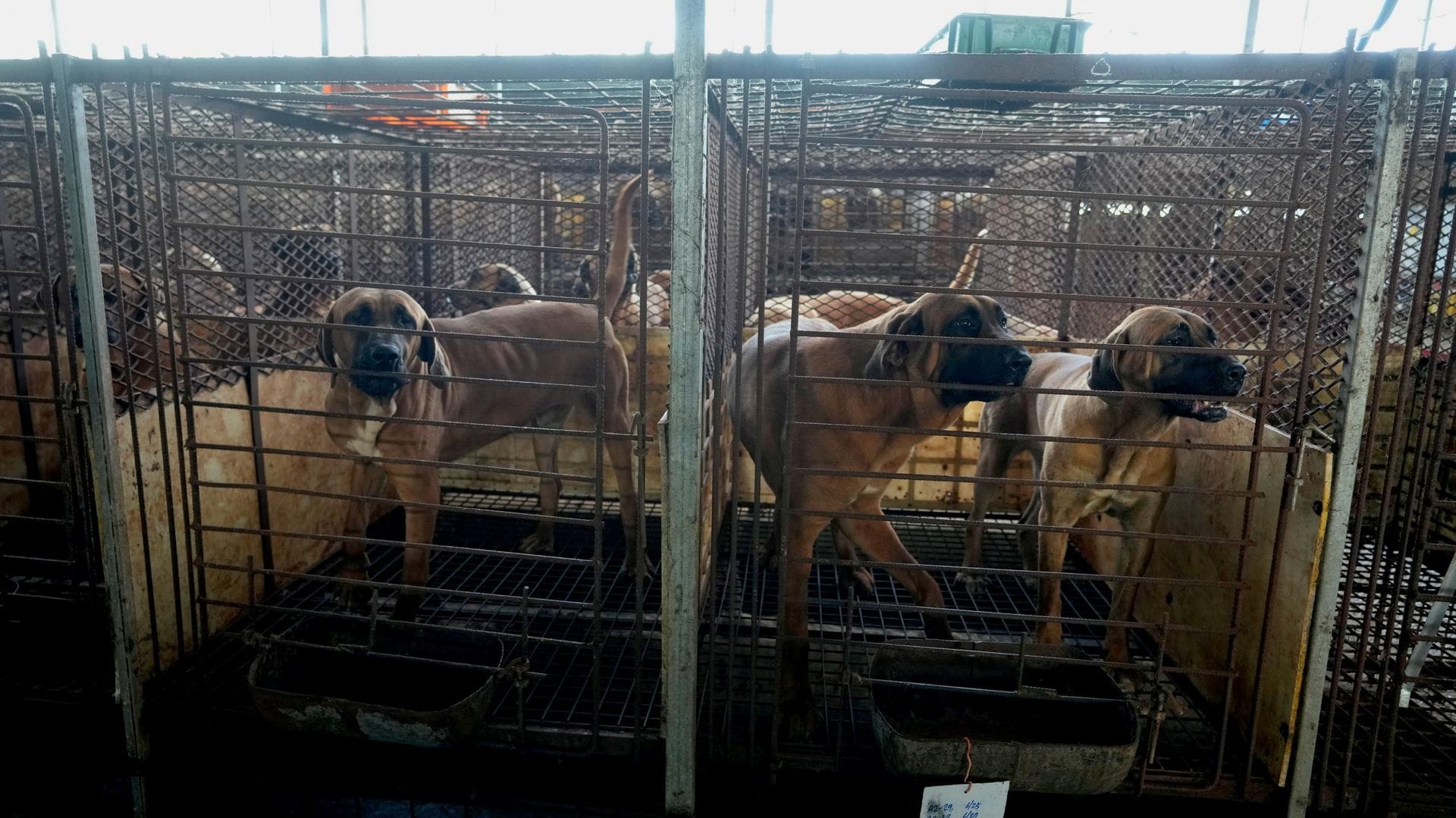
As South Korea's dog meat industry rapidly dismantles itself ahead of the 2027 ban, the fate of hundreds of thousands of dogs remains uncertain.
According to the Ministry of Agriculture, in 2024, between 400,000 and 450,000 dogs were being raised for meat production. Today, that number has dropped to just 20,000. Although consumption statistics are not officially tracked, it is widely acknowledged that dog meat consumption is limited to a small minority in the country of 51 million people.
The government has offered compensation of up to 600,000 won (approximately $390) per dog to help farmers transition. However, the whereabouts of the animals are not being tracked. A ministry inspector stated, "Our role is to verify that there are no dogs left on farms and slaughterhouses and provide compensation. What happens to the dogs is not our concern."
According to data obtained by a lawmaker, as of February, only 623 dogs had been adopted, and around 500 had been sent to shelters. The majority of the rest are believed to have been killed. Kim Young-hwan from the animal rights organization CARE said, "If a large number of dogs had been enrolled in adoption programs, organizations like ours would have known about it. We have not seen any campaigns for dogs rescued from farms."
In South Korea, dog meat consumption has declined rapidly among the younger generation. Animal rights groups see the ban as an important step for the welfare of dogs, while former farmers complain. As the industry rapidly disappears, the fate of hundreds of thousands of dogs remains uncertain.
Dilerseniz Google hesabınızla hızlıca giriş yaparak yorum yapabilirsiniz: