Rattlesnakes' Defense Mechanism Against Their Own Venom Could Influence Future Antivenom
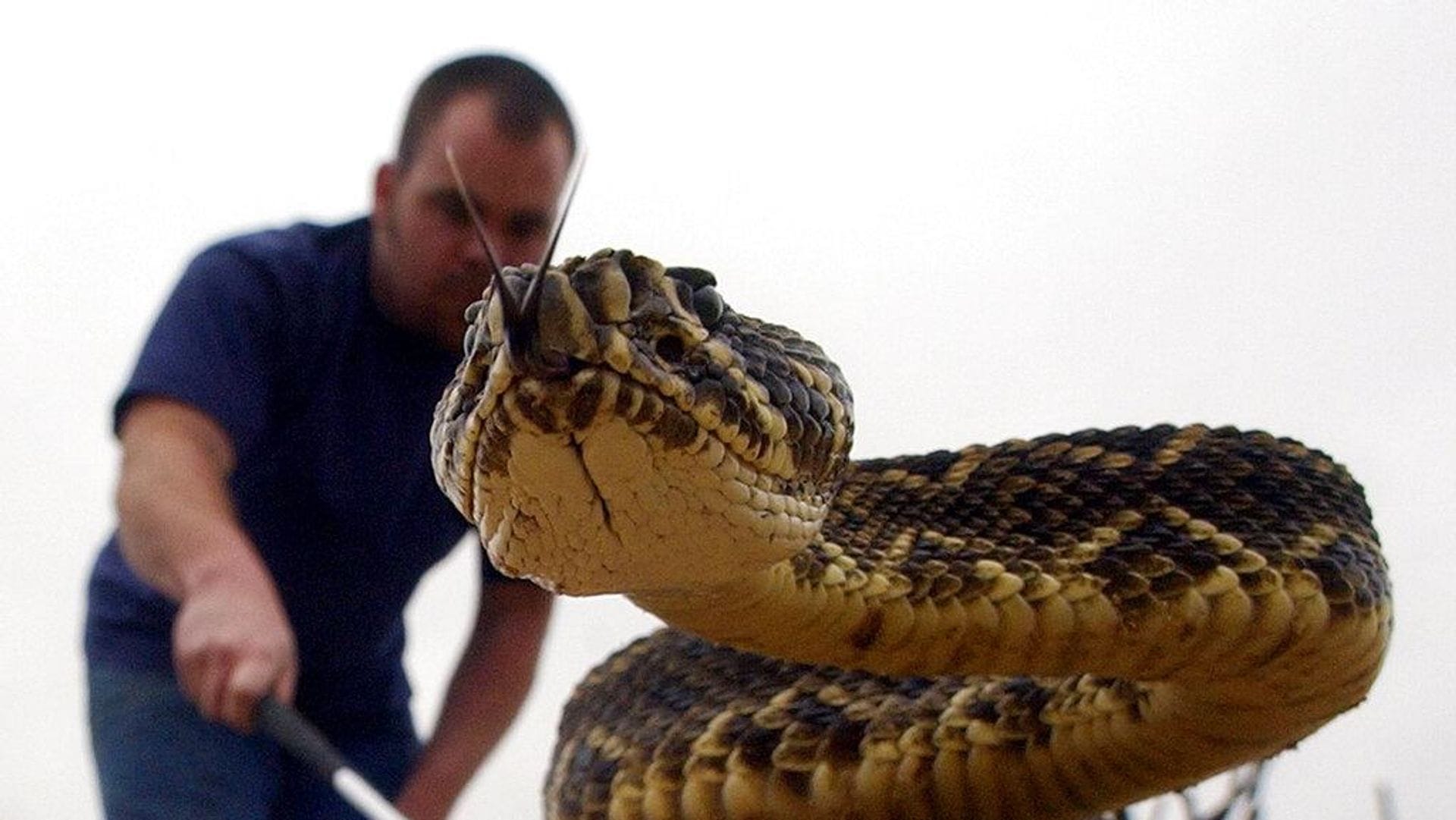
Scientists have discovered how rattlesnakes develop defense mechanisms against their own venom.
Proteins called FETUA in the snakes' blood can completely neutralize the lethal effect of the venom. Experiments on rats showed that specific combinations of these proteins can neutralize lethal doses of venom.
Researchers believe this discovery could pave the way for more effective and affordable antivenom. Five different FETUA proteins were found in the rattlesnake's blood.
One of these proteins is similar to an ancient protein found in humans and other vertebrates, while the other four are unique to rattlesnakes. The experiments showed that no single protein could provide full protection on its own.
However, when FETUA-2 and FETUA-3 were used together, all the rats survived doses of venom that would normally be lethal.
For a different species of rattlesnake, a third protein, FETUA-5, was also needed. Laboratory tests showed that a mixture of three proteins was more effective at neutralizing venom than the commercially available CroFab antivenom.
Researchers think this could mean lower doses, lower costs, and fewer side effects in the future.
However, scientists note that in the experiments, the FETUA proteins were mixed with the venom before being administered to the rats, whereas in real life, antivenom is given after the venom has spread through the body.
Therefore, it is not yet known whether these proteins would be as effective in treating snakebites.
Researchers say that questions about safety, dosage, and how long the proteins remain effective in the blood need to be answered.
Dilerseniz Google hesabınızla hızlıca giriş yaparak yorum yapabilirsiniz: