Scientists Evaluate Plan to Redirect Hurricanes
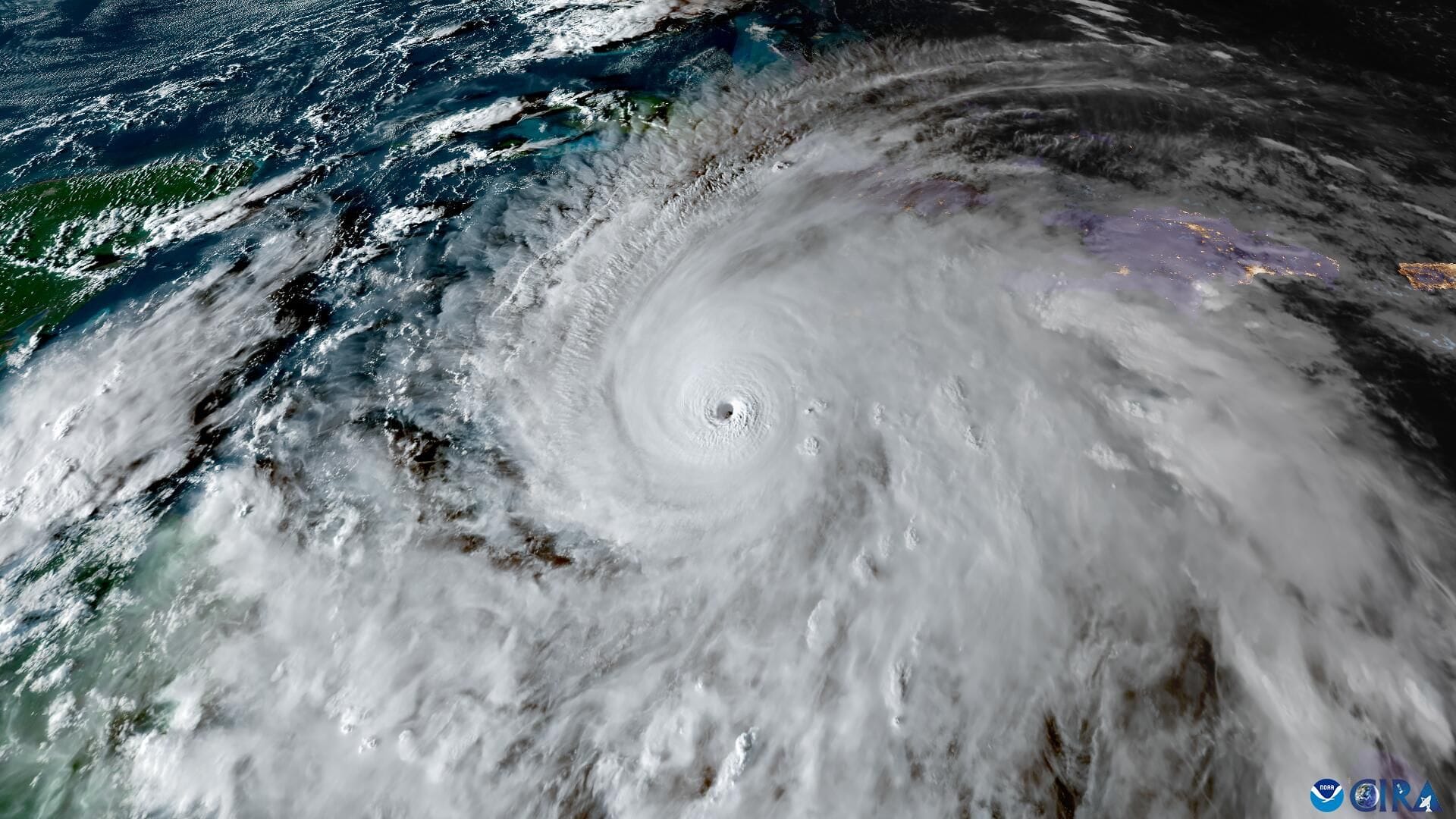
Scientists have opened up a discussion on the idea of redirecting hurricanes using cloud seeding techniques.
The authors of a study published in the PLOS journal argue that, due to the increasing impact of weather events on society, technology should be used to control weather systems. Researchers claim that precise cloud seeding operations, supported by real-time data and artificial intelligence, could significantly mitigate the effects of past disasters.
Prof. Upmanu Lall from Arizona State University explains this concept using a “jiu-jitsu” analogy: “A small and weak person can defeat a larger opponent by using their own momentum. We propose a similar approach to weather events: minimum effort for maximum effect.”
The scientific community has responded with intense criticism. Katja Friedrich from the University of Colorado states, “There is no scientific evidence that current cloud seeding technologies can change large-scale systems like hurricanes.”
Kara Lamb from Columbia University also notes that it is very challenging to distinguish the effects of past experiments from natural variability. Robert Rauber from the University of Illinois goes further, saying, “Technically, it is extremely difficult to move storms. Even if you succeed, the political, international, and legal consequences would be so significant that it would become impractical to apply.”
Cloud seeding has been used for decades. Typically, substances like silver iodide are sprayed to make clouds produce rain or prevent hail formation. While 9 states in the US actively use it, 10 states have banned it or are discussing a ban. Florida will completely ban it from 2025 onwards.
The study authors emphasize that classical cloud seeding is not enough on its own; high-density observation data, instant artificial intelligence analysis, and a suitable distribution mechanism are necessary. “We haven’t even determined the best ‘push’ technology yet,” they say.
One of the main points of discussion is the ethical dimension. Protecting one city could redirect the storm to another region. This raises the question, “Whose life is more important?” The authors have left this issue to the fields of science and engineering for now, stating that ethical discussions will take place later.
Critics argue that this is an insurmountable obstacle. Cloud seeding has also become a focus of conspiracy theories in recent years. After the 2025 Texas floods and the extreme rainfall in the United Arab Emirates in 2024, social media was filled with claims that “they are controlling the weather.” Meteorologists have repeatedly explained that cloud seeding could not have caused these disasters and that its effect is very limited.
Dilerseniz Google hesabınızla hızlıca giriş yaparak yorum yapabilirsiniz: