West Nile Virus Alert in Europe: Cases Spreading Rapidly
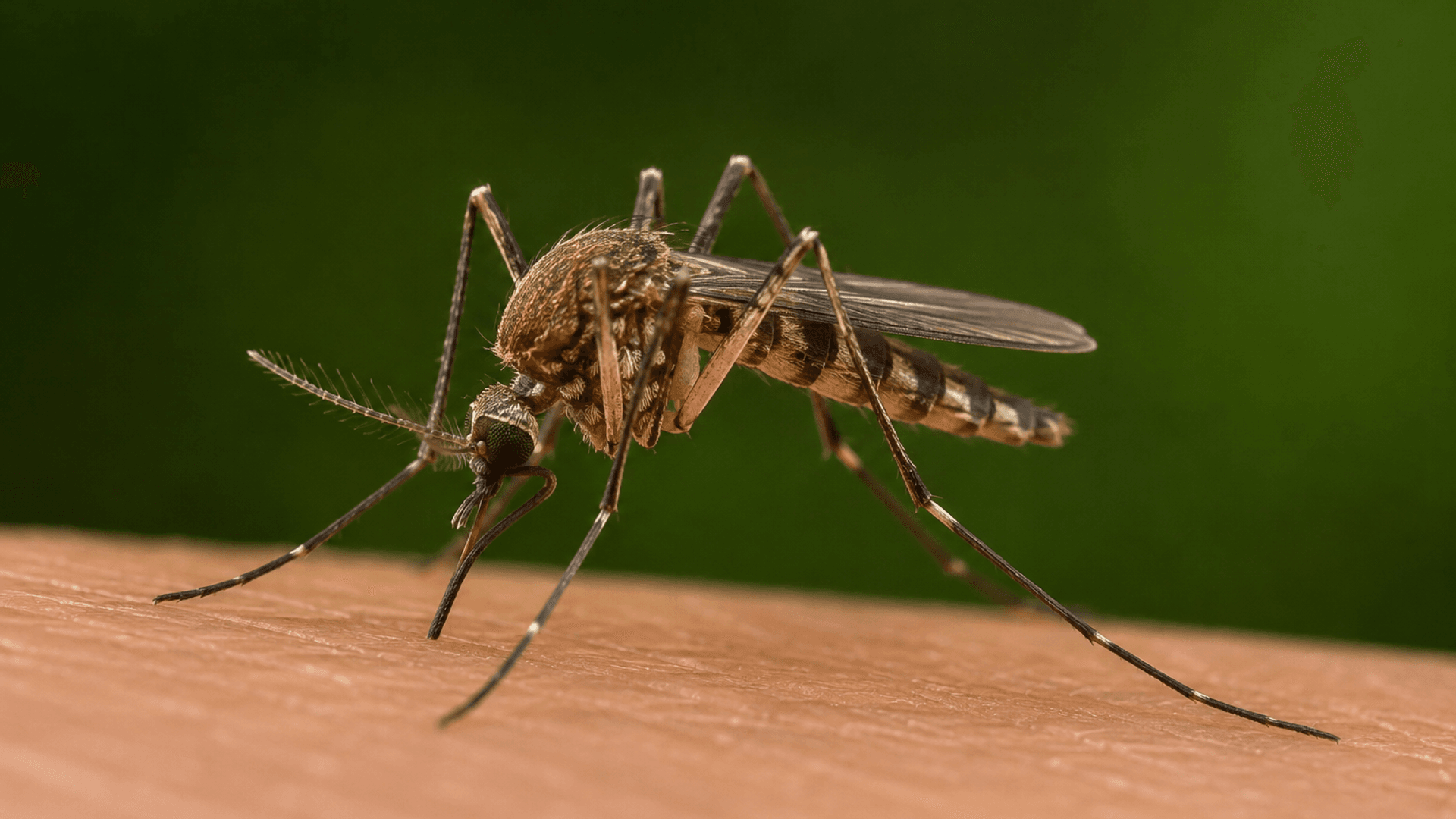
With the onset of summer, the West Nile virus has re-emerged in Europe, causing locally acquired cases in five countries, primarily in Greece. Health authorities have warned of an increased risk of the virus spreading to new areas and urged citizens to take precautions against mosquitoes.The rise in mosquito populations due to warm weather has facilitated the spread of the West Nile virus across Europe. Recent case reports from various countries have shown that the virus is not limited to specific regions, and some areas have been classified as high-risk. Health institutions have initiated a regular monitoring process throughout the summer.According to data from the European Centre for Disease Prevention and Control (ECDC) and the Greek National Public Health Organization (EODY), as of July 22, 21 locally acquired cases of West Nile virus have been reported in Greece. Twenty of these cases involved serious health issues affecting the central nervous system. While no deaths have been reported, 13 individuals have received hospital treatment.Most cases were detected in the Attica region, and some municipalities without reported cases have been designated as high-risk areas due to the risk of virus transmission. ECDC data indicates that a total of 33 locally acquired cases have been reported in five European countries.Italy has reported the highest number of cases, with 20 cases identified in 16 different regions, the majority of which were reported in the latest reporting period. This suggests an acceleration of the virus's geographic spread.Locally acquired cases have also been reported in Spain, Romania, and North Macedonia. EODY has stated that the annual occurrence of West Nile virus since 2010 indicates that the virus has become established in the country. The ECDC will continue to publish weekly updates throughout the summer, emphasizing that it is impossible to predict which regions will be affected this year and advising citizens to take personal protective measures against mosquitoes.The West Nile virus is not a foreign disease to Turkey, as it was first detected in humans in the country in 2010 and continues to cause seasonal cases, particularly during the summer months. The Turkish Ministry of Health has been monitoring the disease through a surveillance system since 2011.Between 2020 and 2023, no official cases were reported in Turkey, but an increase in West Nile virus cases was reported in 2024. Most West Nile virus cases do not exhibit symptoms, but those who do may experience fever, headache, fatigue, muscle and joint pain, nausea, vomiting, skin rash, and swollen lymph nodes. In severe cases, serious conditions affecting the central nervous system, such as meningitis, encephalitis, muscle weakness, and paralysis, can develop.
Dilerseniz Google hesabınızla hızlıca giriş yaparak yorum yapabilirsiniz: