Revolutionizing Space Travel with Hibernation
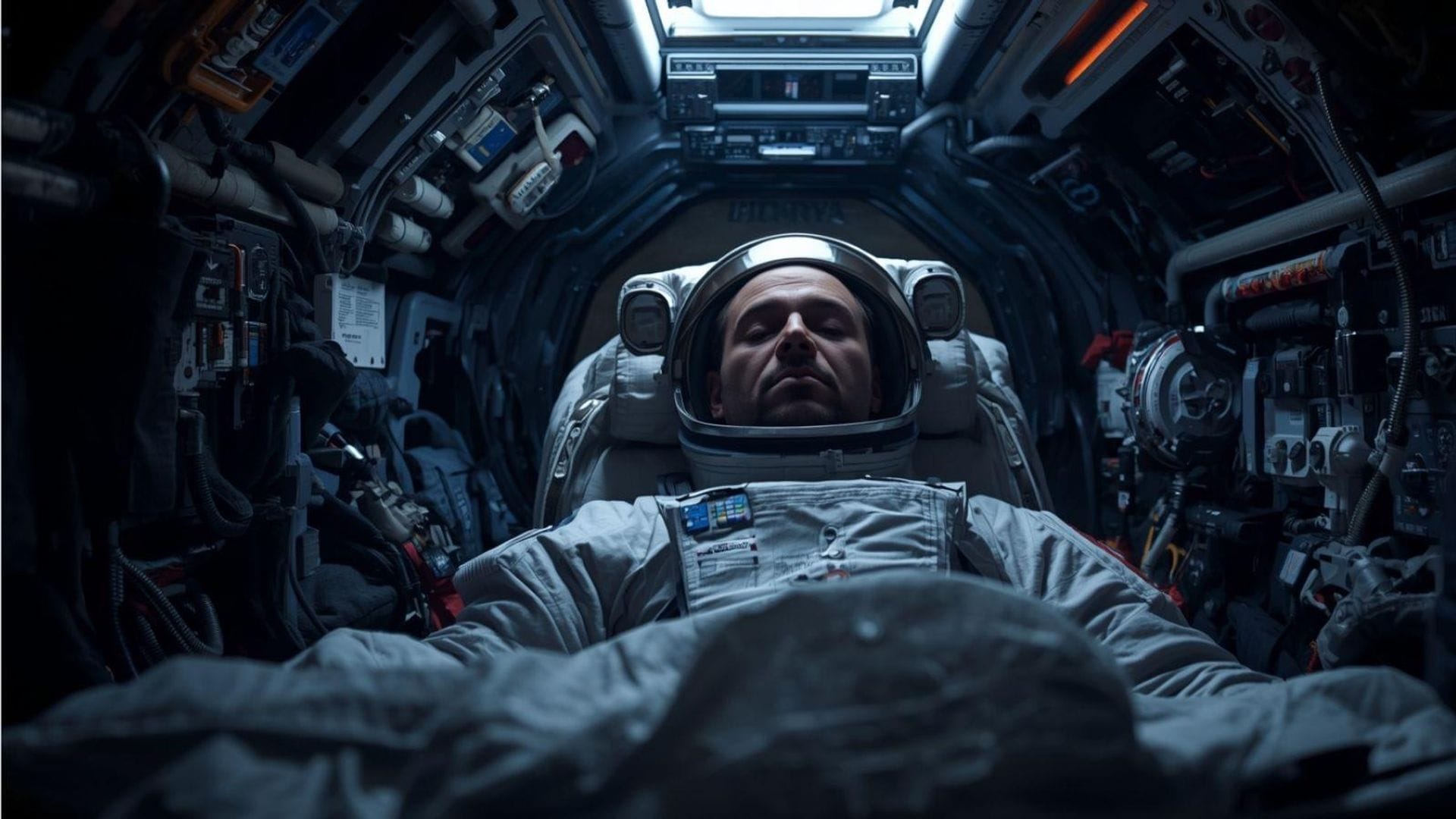
One of the biggest challenges in space travel is the damage caused by long-term journeys to the human body. Scientists are working to adapt the hibernation mechanism, which occurs naturally in animals, to humans.
Space researchers believe that hibernation could be an effective method for sending humans to Mars. The journey to Mars takes approximately two years, and during this time, each astronaut requires an average of 30 kg of food, water, and oxygen per day. According to Jennifer Ngo-Anh, a researcher at the European Space Agency (ESA), reducing metabolism by 25% can significantly reduce the amount of supplies needed and the size of the spacecraft.
Hibernation allows animals to slow down their metabolism drastically, conserving energy. Heart rate drops to a few beats per minute, body temperature decreases, and the need for food and water almost disappears. Research has shown that this condition also provides protection against radiation: Cells use less oxygen, DNA is packed more tightly, and repair mechanisms are strengthened.
However, humans are not natural hibernators. Inspired by species such as squirrels, bears, and bats, scientists are developing 'sentetik torpor' or 'artificial torpor' techniques. According to The Guardian, Kelly Drew from the University of Alaska has been studying arctic squirrels for years, examining the resilience of their muscle proteins to cold.
In a NASA-supported study by Clifton Callaway from the University of Pittsburgh, healthy volunteers were given the sedative dexmedetomidine. During the five-day trial, metabolism decreased by 20%, and caloric intake decreased by 30%. The volunteers could wake up and move in case of an emergency, similar to a bear.
Dilerseniz Google hesabınızla hızlıca giriş yaparak yorum yapabilirsiniz: