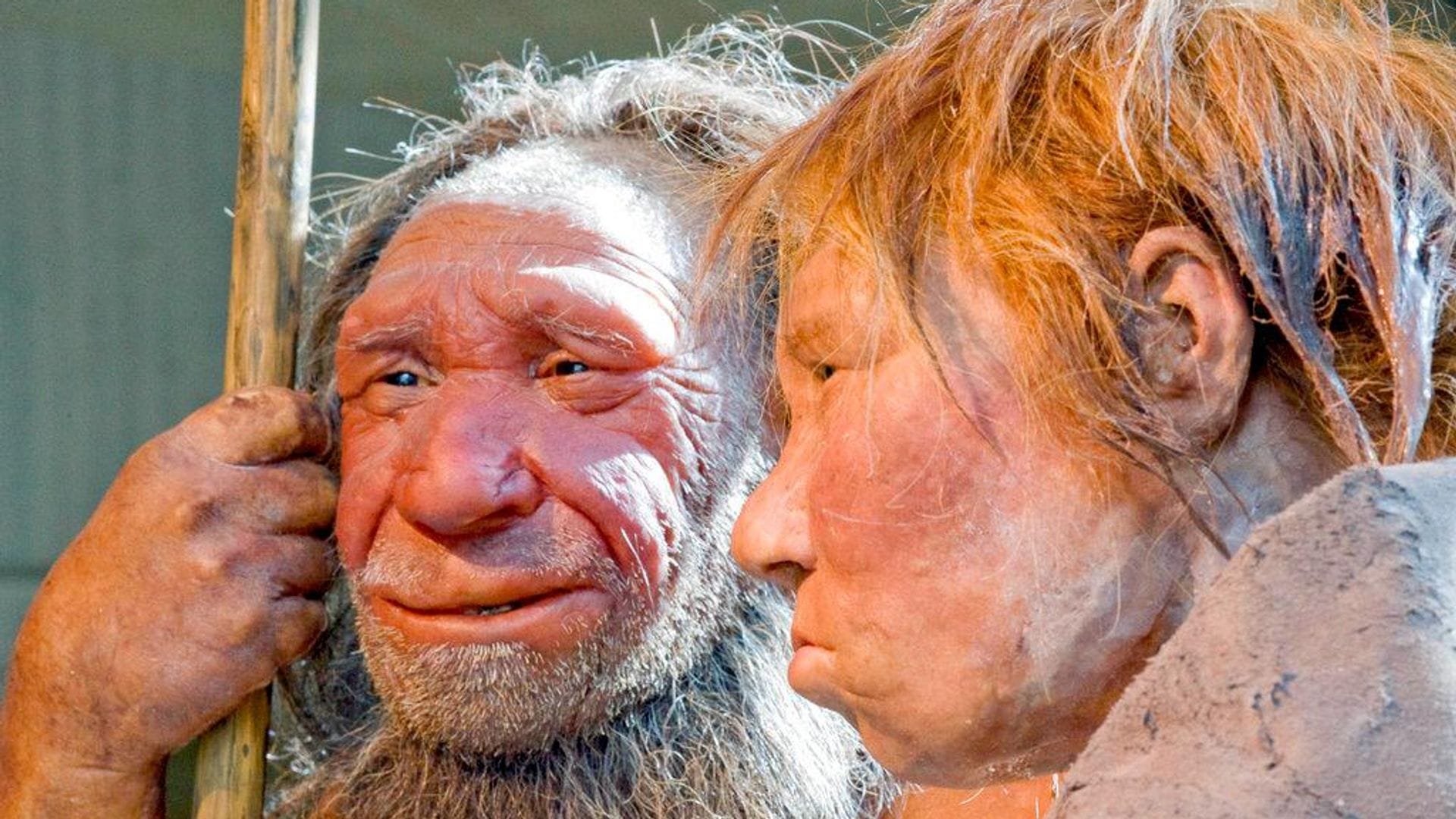
The life of Neanderthals has long been portrayed as “primitive, coarse, and doomed to extinction.” However, the new study suggests that they, like us, had complex social relationships, connected groups, and possibly periods of violence and peace.Modern humans already existed at that time. However, Neanderthals did not exhibit the 'demographic collapse' signs often seen in other extinct animal species.
Neanderthals were an extinct human species that was the closest relative of modern humans. Physically, they were characterized by their short and stocky body structure, large nose, and prominent brow bones.But some species can become extinct very quickly. Humans can sometimes eliminate other species in just a few decades. In such rapid extinctions, there is not enough time for genetic collapse signals to accumulate.